
The STATE and the Open Door: Romans 13, Civil Authority, and Christian Hospitality
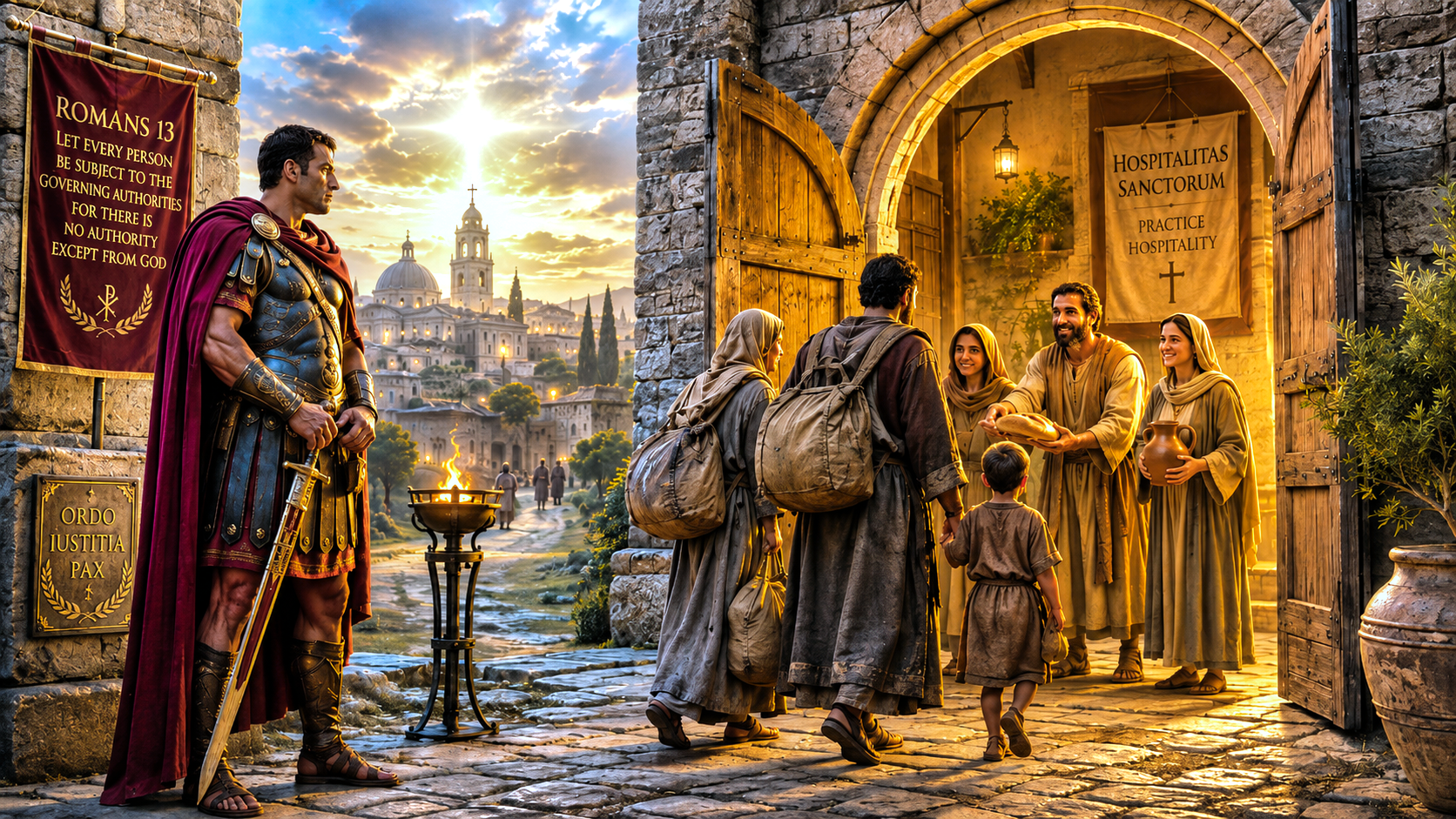
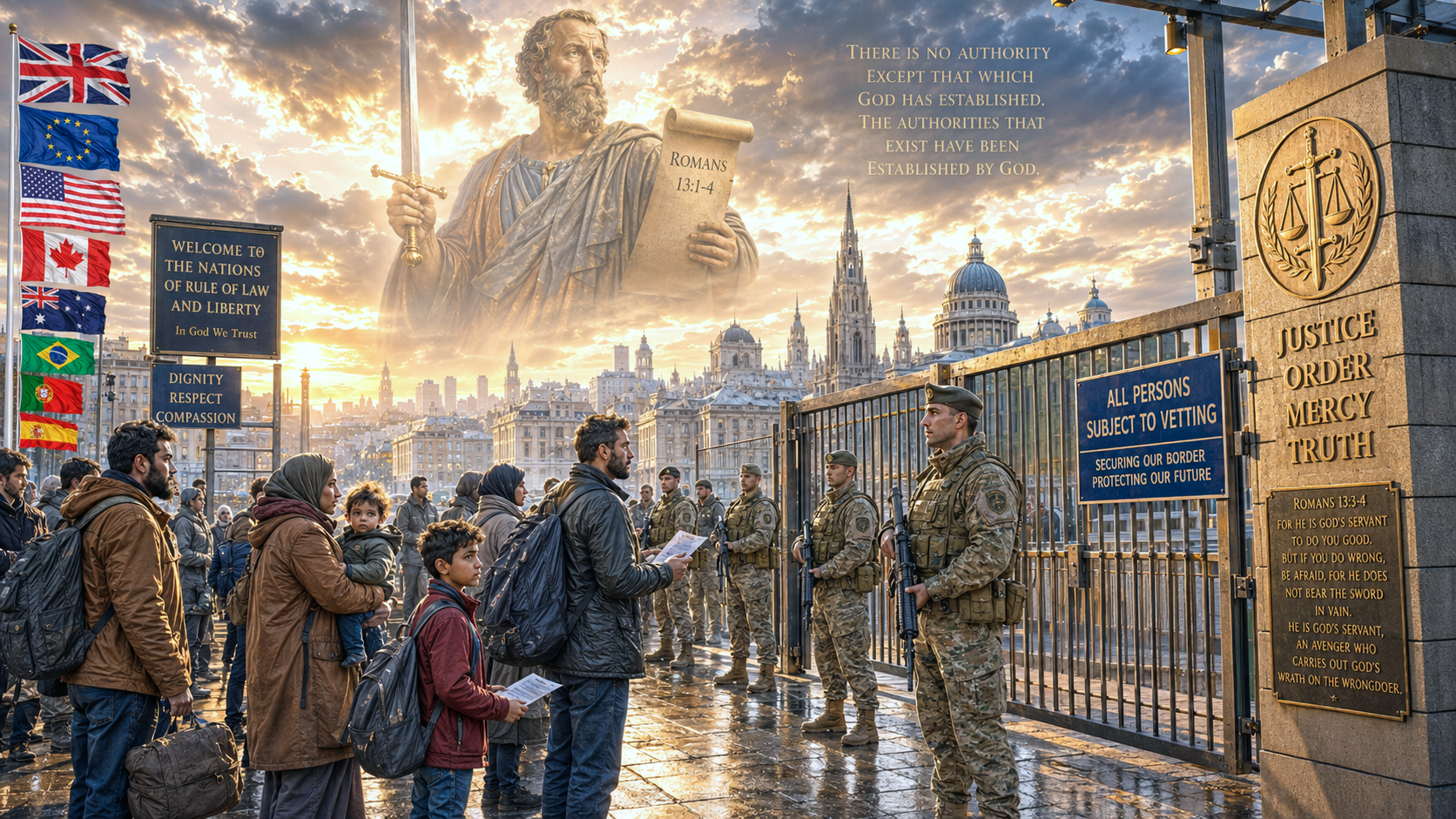
St. Paul’s Letter to the Romans 13:1–7 does not present civil government as a regrettable concession to human sin, a necessary evil merely to be endured until the Parousia. The Apostle Paul assigns the ruler a positive title and a genuine function. The one in authority is διάκονος θεοῦ—God’s servant or minister—twice over (v. 4). He “does not bear the sword in vain” (τὴν μάχαιραν οὐ γὰρ εἰκῇ φορεῖ).
THE SWORD AND THE STRANGER
Popular argument on this question, from both directions, tends to treat the Gospels as though they were a manual of border statute waiting to be applied. They are not, and a piece that pretends otherwise earns nothing but the reader's justified suspicion. But refusing that error is not the same as refusing the question. Scripture, read across its full canon and its subsequent theological elaboration, does make two distinct and authentically weighty claims that bear on the matter of illegal immigration — one concerning the competence of civil authority, the other concerning the personal duty owed to the stranger.
Good Words at the Top, Friction Below
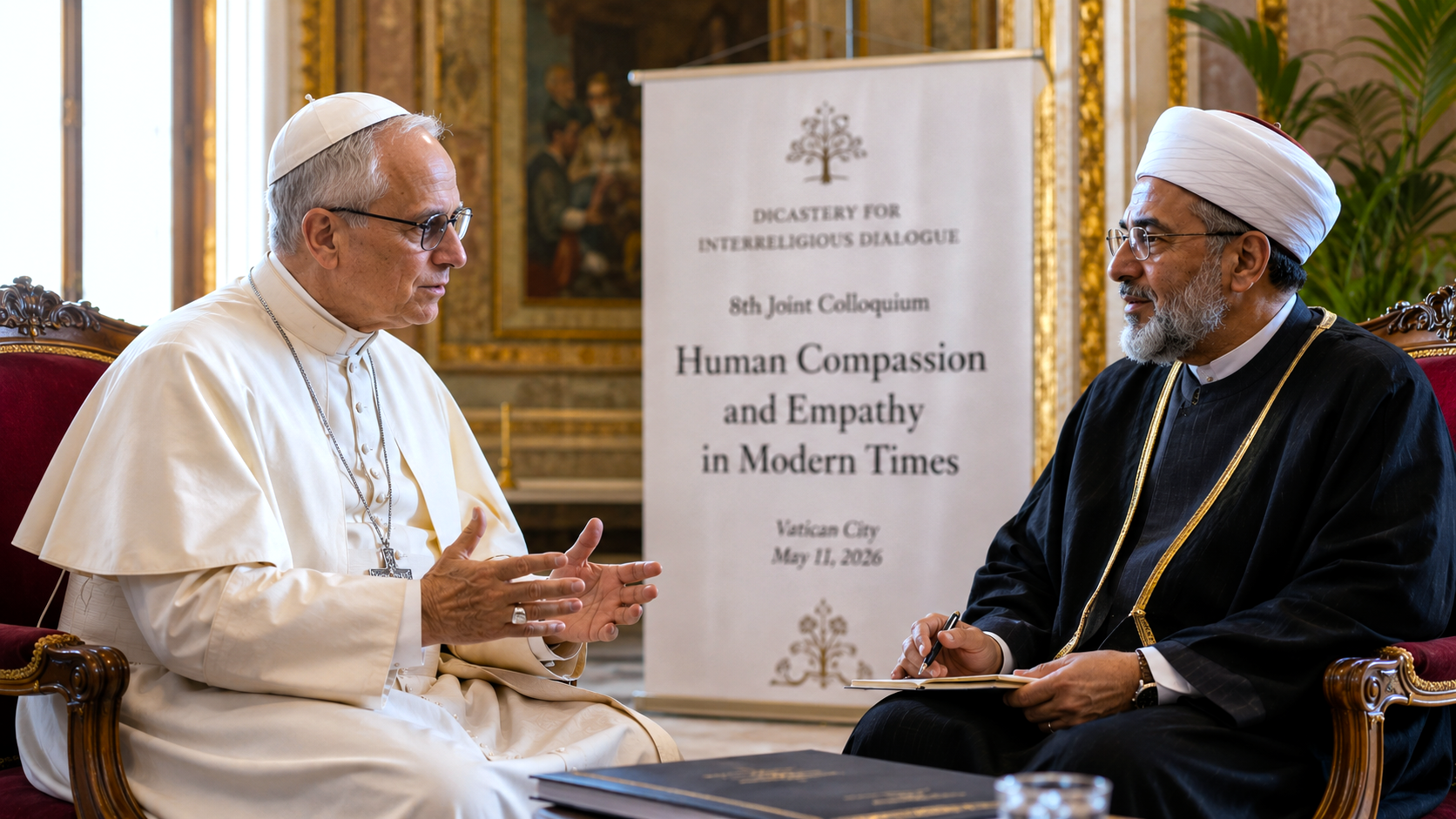
On the morning of Monday, 11 May 2026, Pope Leo XIV received participants in the eighth joint colloquium organised by the Holy See’s Dicastery for Interreligious Dialogue and Jordan’s Royal Institute for Inter-Faith Studies. The theme chosen for this year’s gathering was “Human Compassion and Empathy in Modern Times.” In his address — delivered in the Clementine Hall of the Apostolic Palace, the Pope called Christians and Muslims to a common mission: “to revive humanity where it has grown cold, to give voice to those who suffer and to transform indifference into solidarity.”
Islam, Haram, and the Fate of the West
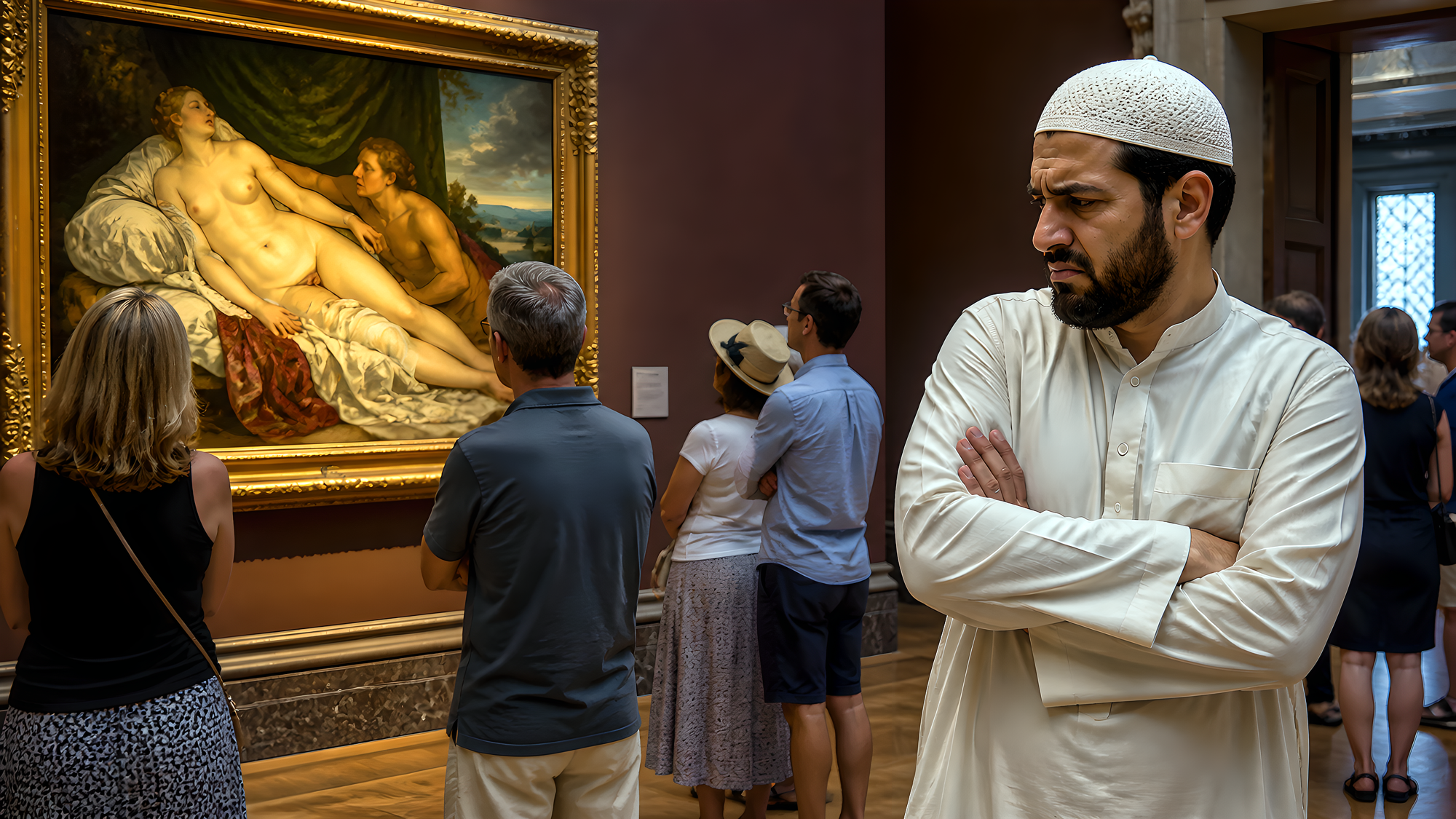
There are conversations that polite society prefers to defer, always hoping that the urgency will somehow resolve itself. This is no longer one of those conversations. Churches have been set ablaze. Synagogues have been firebombed. Sacred art has been desecrated. And across European and North American cities, the accumulated heritage of two thousand years of Christian civilisation — its music, its sculpture, its literature, its architecture — is increasingly subject to demands, pressures, and acts of hostility rooted in a theological framework that considers much of that heritage to be, quite literally, forbidden. The name of that framework is haram.
