
Lifted Up… The Exaltation of the Holy Cross
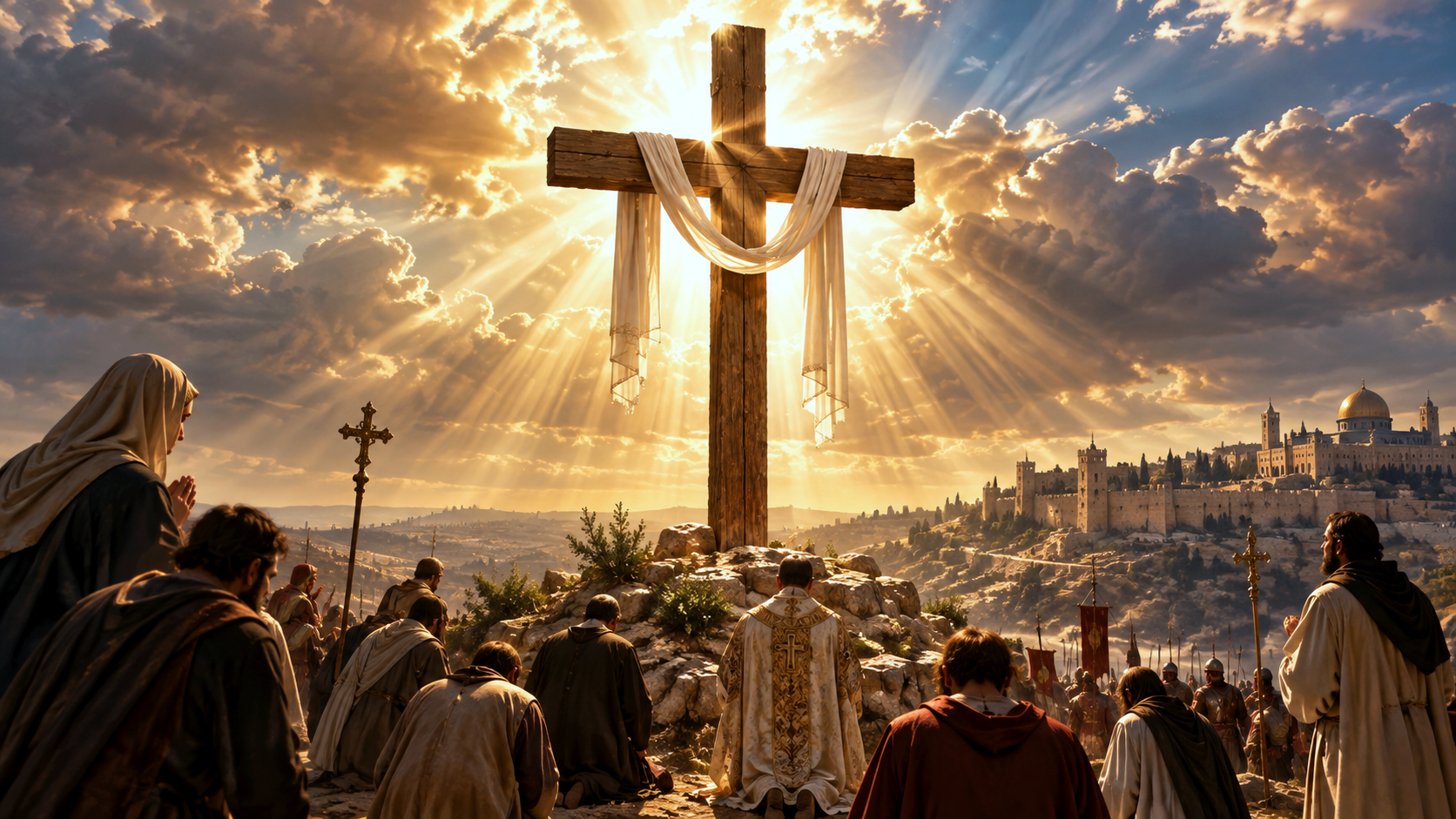
The Roman Calendar names tomorrow's feast the Exaltatio Sanctae Crucis. The Byzantine books name it Ἡ Παγκόσμιος Ὕψωσις τοῦ Τιμίου καὶ Ζωοποιοῦ Σταυροῦ, the Universal Elevation of the Precious and Life-giving Cross. Both titles are built upon a verb of raising, and both attach that verb to an object which no one in the ancient world would have thought raisable in any sense but the literal and the degrading.

Nineteen in Twenty
Sixty-two thousand, one hundred and ninety-nine.
That is not the gate at a football match. It is the number of persons arrested in the United Kingdom over five years for what the law is pleased to call communications offences. Of that number, eighteen thousand five hundred and ten were charged and twelve thousand two hundred and ninety-two convicted. Subtract, and you are left with something in the order of forty-four thousand men and women who were seized by officers of the Crown, who in many cases had their doors knocked upon and their telephones carried away in a bag, and who were then released without anybody ever getting round to putting a charge to them.
UK: Nationality Law under the Christian Lens
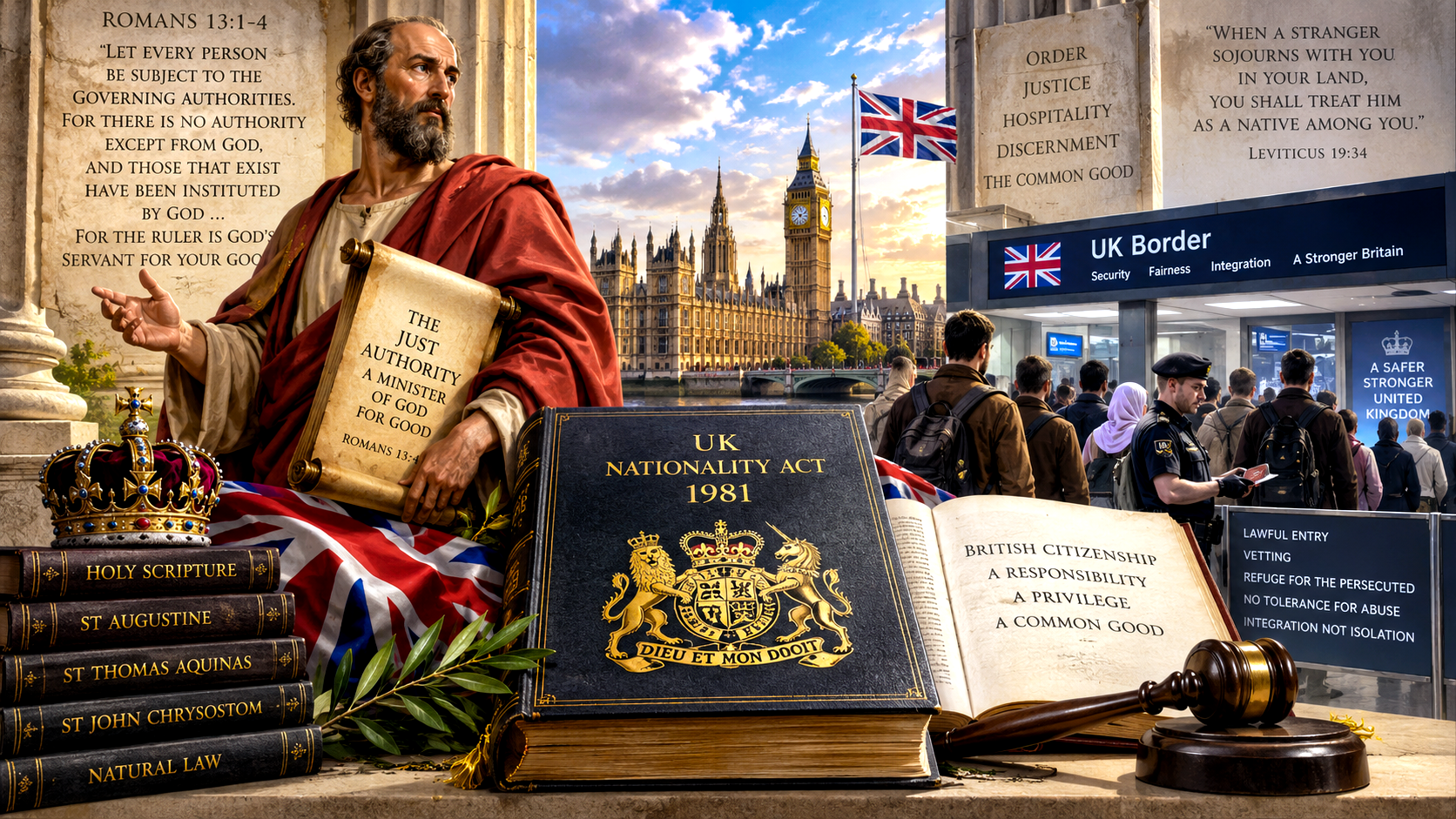
The 1981 Act already ended the old automatic jus soli. What follows is not a party programme. It is an account of what the statute still leaves open, of what has changed around it in the last three years, of how a restrictionist reading of St. Paul’s Letter to the Romans 13 and the Fathers tries to close those openings, and of why that reading is contested inside the tradition it claims. The argument is offered in the conviction that a Christian may hold a hard view of membership without pretending that Scripture dictates it, and may hold a generous one without pretending that the magistrate has no office.

Come and See
To anyone who will not be at Mass this Sunday, and has no particular intention of being there the Sunday after: grace to you, and peace. Now please go back to Church. Thank you.😊
I Sent You a Boat
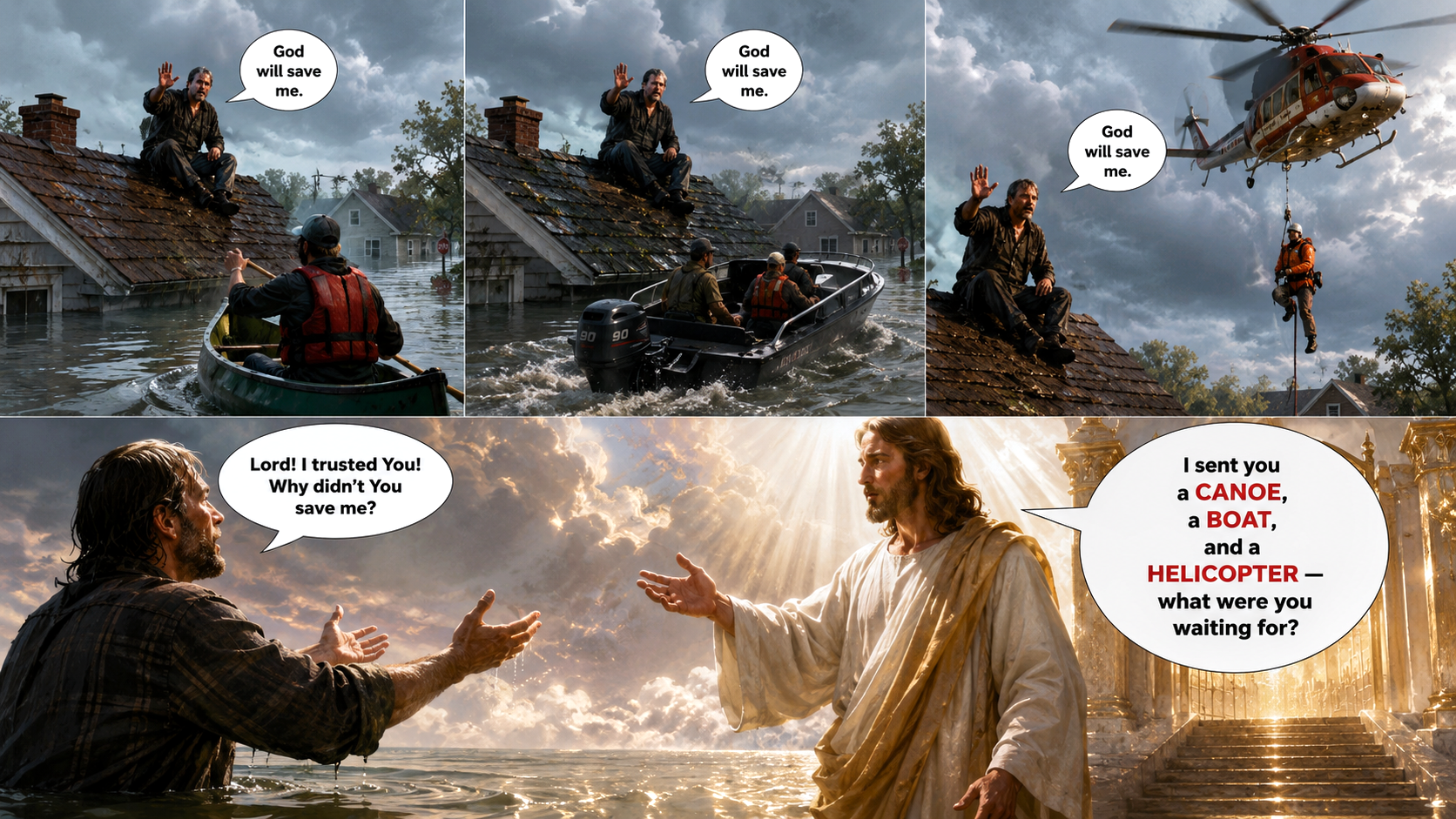
The story is told in every pulpit and half the pubs of Christendom, and it needs no introduction to anyone who has sat through a homily on trust. A flood comes. A man climbs onto the roof of his house and prays. A neighbour rows past in a canoe and offers to take him off; he declines, saying that God will save him. The water rises; a motorboat comes; he declines again. The water rises further; a helicopter lowers a line; he waves it away. He drowns. Presented at last before the throne of God, he asks, with some justice as he sees it, why his faith was not rewarded. And the answer comes: I sent you a canoe, a motorboat, and a helicopter. What exactly were you waiting for?
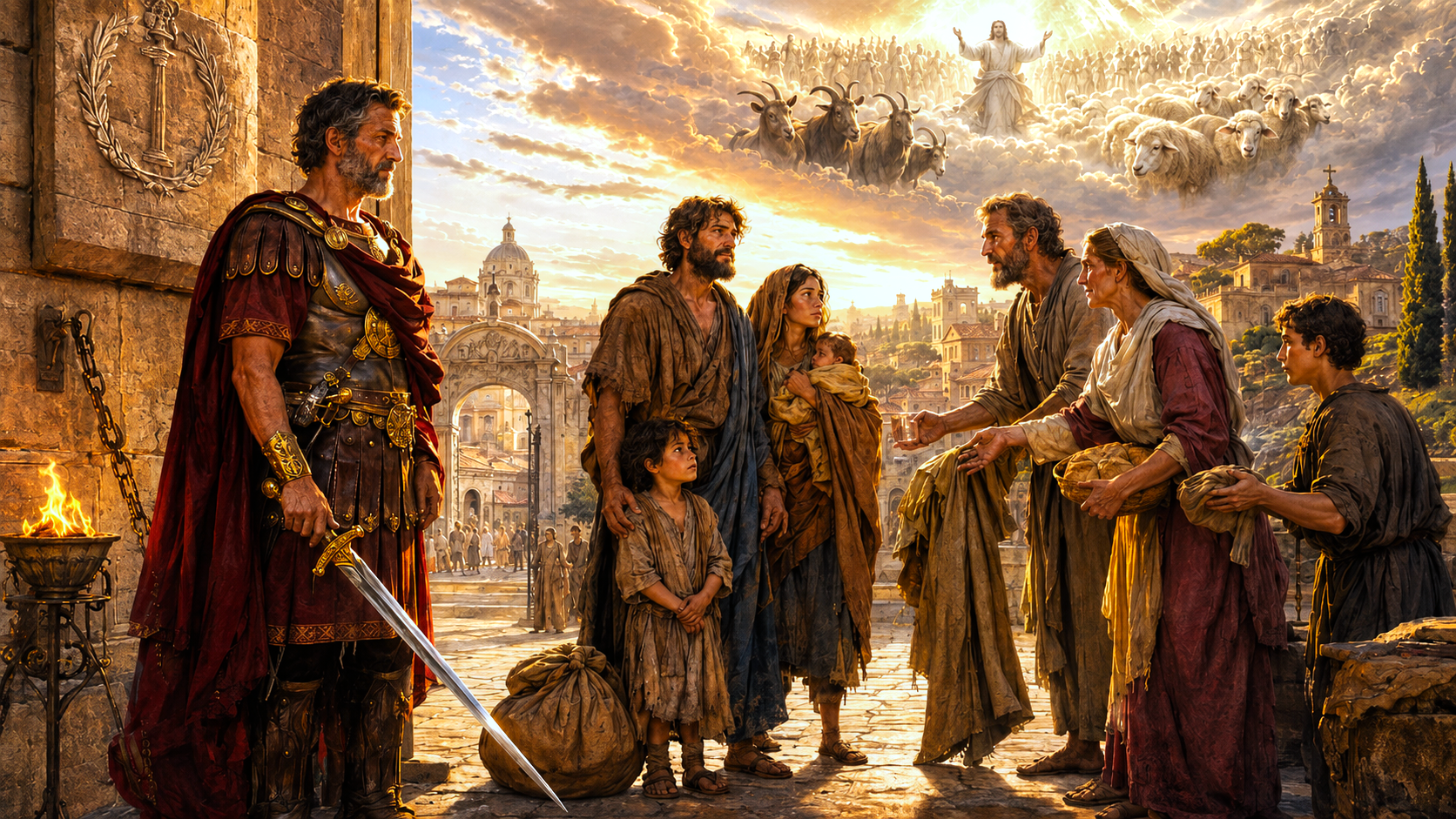
The Goats Were Surprised Too
There is a Christian case for bounded admission, and it is a good deal better than its opponents allow. It runs in four movements. Civil authority is divinely warranted and not merely tolerated, so that the regulation of entry and residence falls within an office Scripture describes in theological terms. The love commanded of Christians is ordered rather than uniform, so that proximity and relation genuinely condition obligation. The Old Law, which is not shy about the stranger, nevertheless admits him by stages rather than at once. And the duty of the individual believer toward the man at his door is not the same thing as the duty of the magistrate toward a population, the two operating in distinct spheres with distinct instruments.
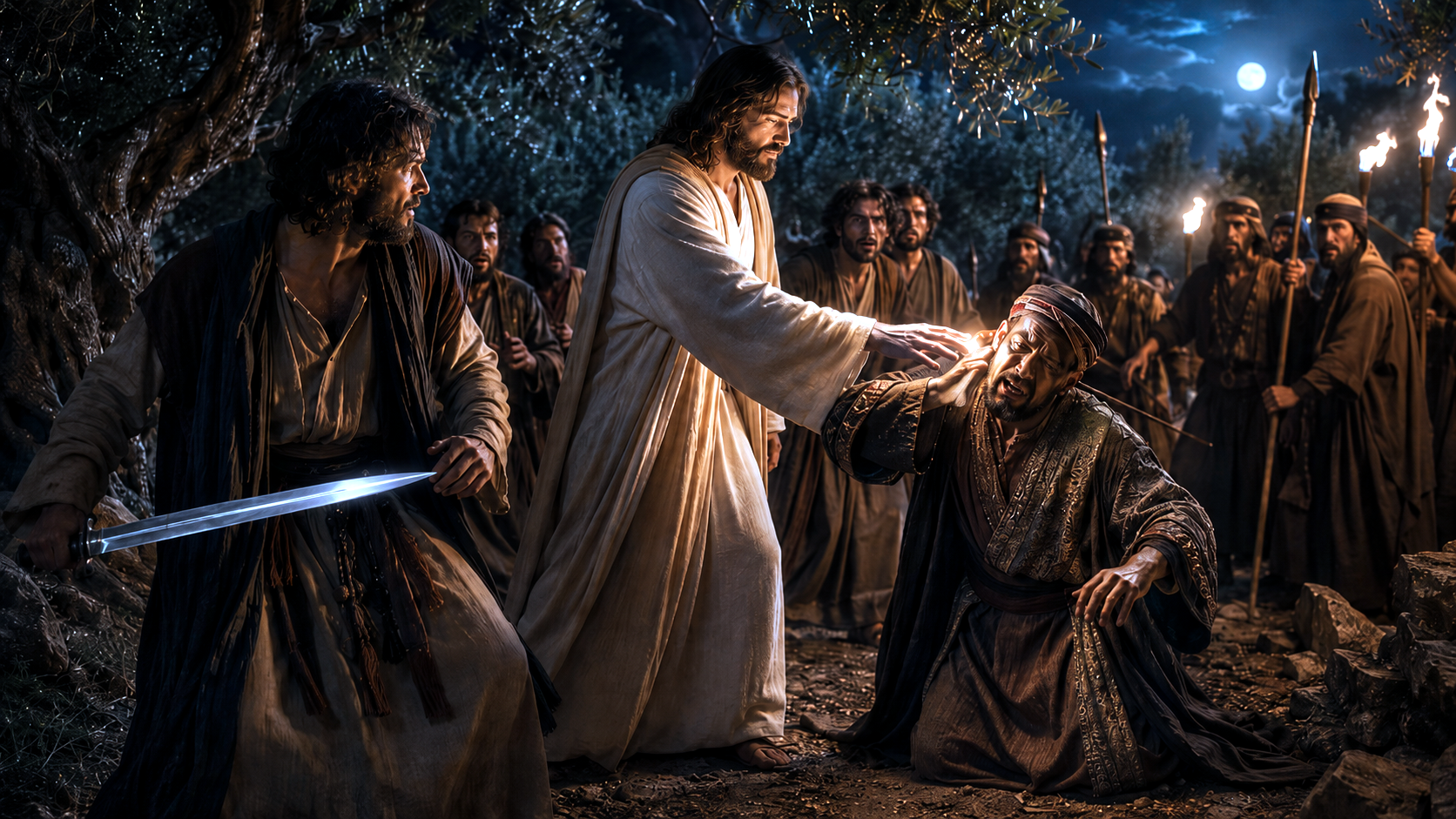
TWO SWORDS, ONE ENOUGH
Luke 22:36–38 Between the Sword of the Magistrate and the Consent of the Governed - A Coda to The Sword and the Stranger and The State and the Open Door. Conclusion to the Essay Trilogy on “Immigration, the State and Public Consent”.
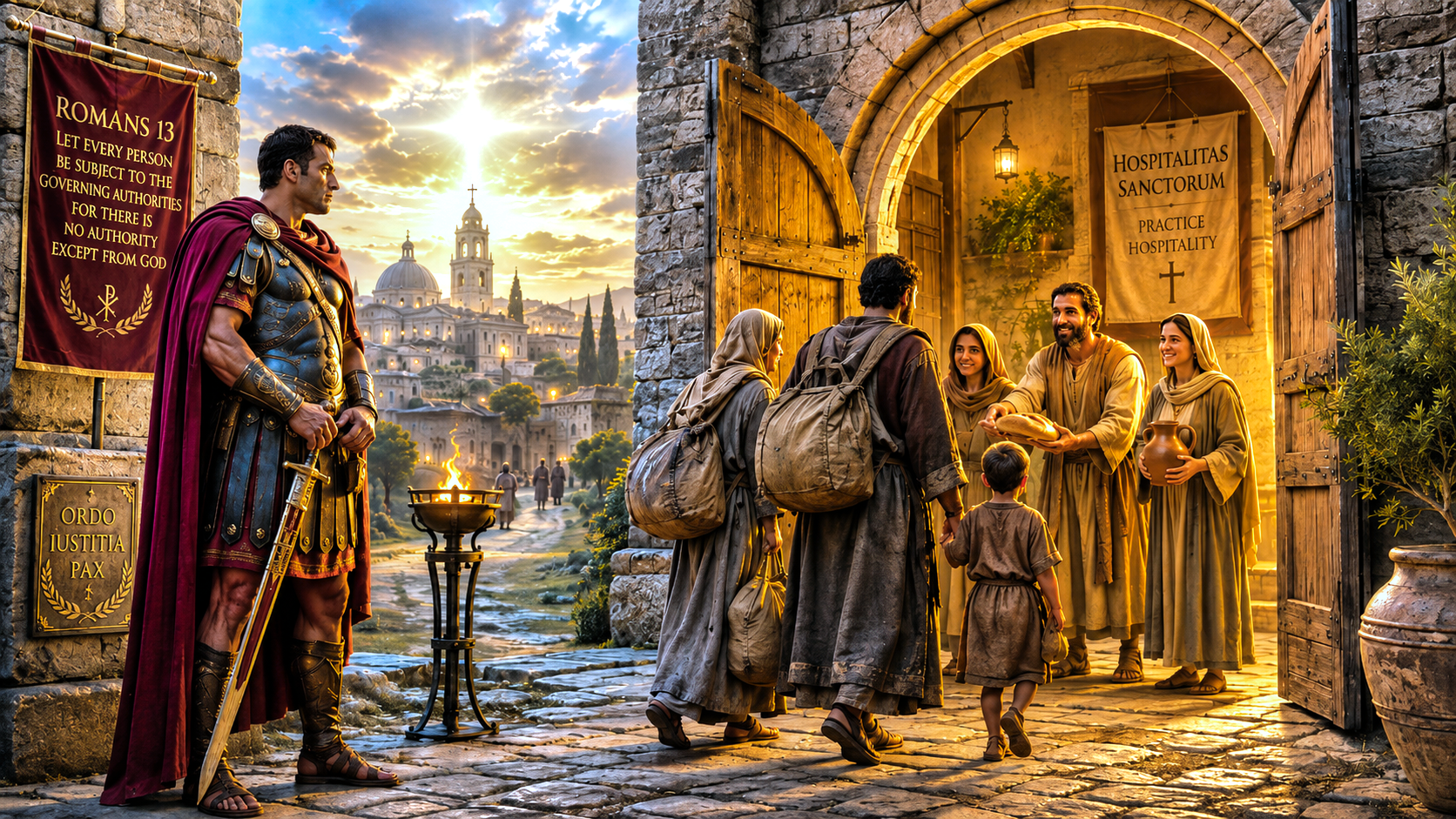
The STATE and the Open Door: Romans 13, Civil Authority, and Christian Hospitality
St. Paul’s Letter to the Romans 13:1–7 does not present civil government as a regrettable concession to human sin, a necessary evil merely to be endured until the Parousia. The Apostle Paul assigns the ruler a positive title and a genuine function. The one in authority is διάκονος θεοῦ—God’s servant or minister—twice over (v. 4). He “does not bear the sword in vain” (τὴν μάχαιραν οὐ γὰρ εἰκῇ φορεῖ).
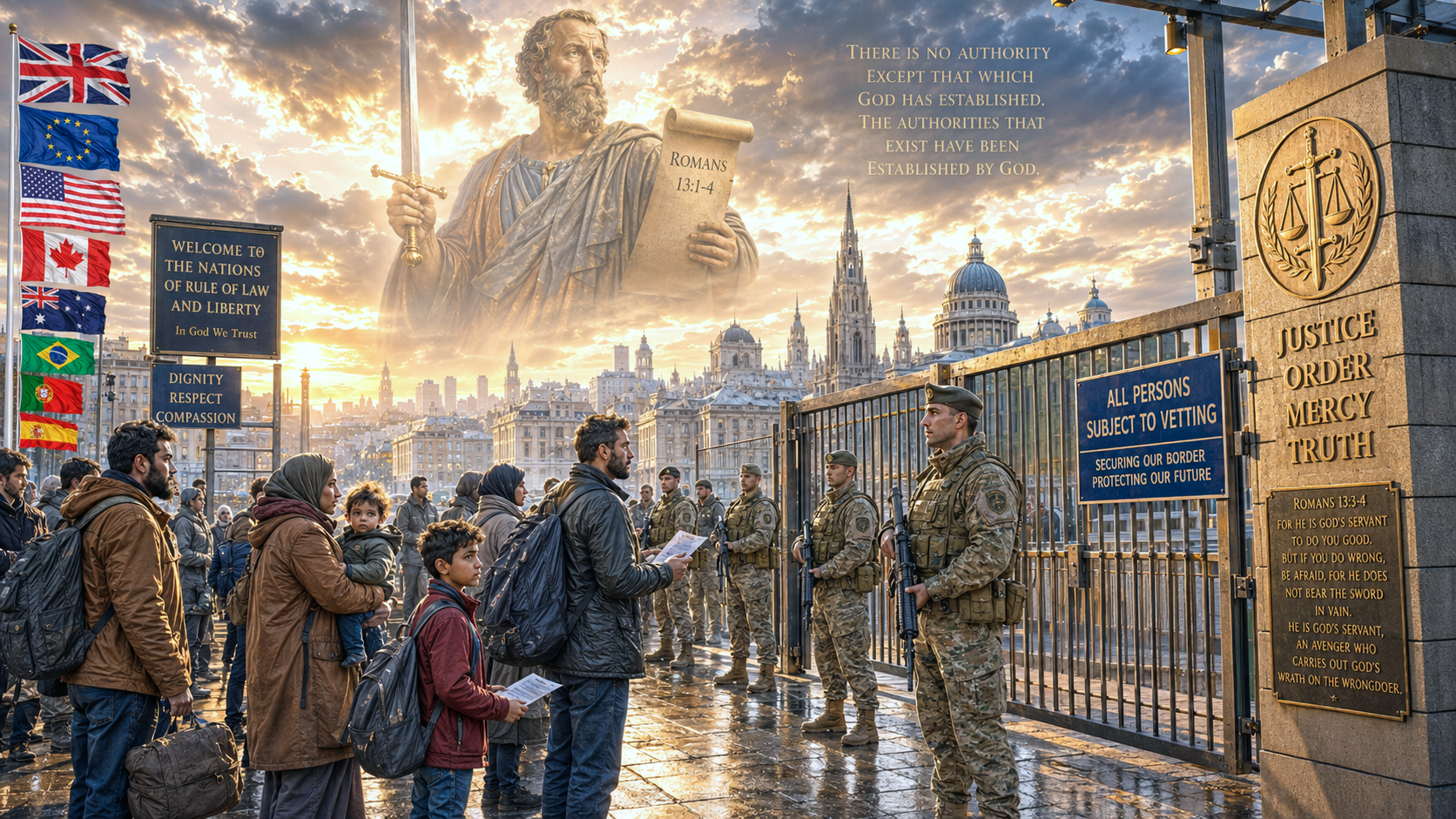
THE SWORD AND THE STRANGER
Popular argument on this question, from both directions, tends to treat the Gospels as though they were a manual of border statute waiting to be applied. They are not, and a piece that pretends otherwise earns nothing but the reader's justified suspicion. But refusing that error is not the same as refusing the question. Scripture, read across its full canon and its subsequent theological elaboration, does make two distinct and authentically weighty claims that bear on the matter of illegal immigration — one concerning the competence of civil authority, the other concerning the personal duty owed to the stranger.
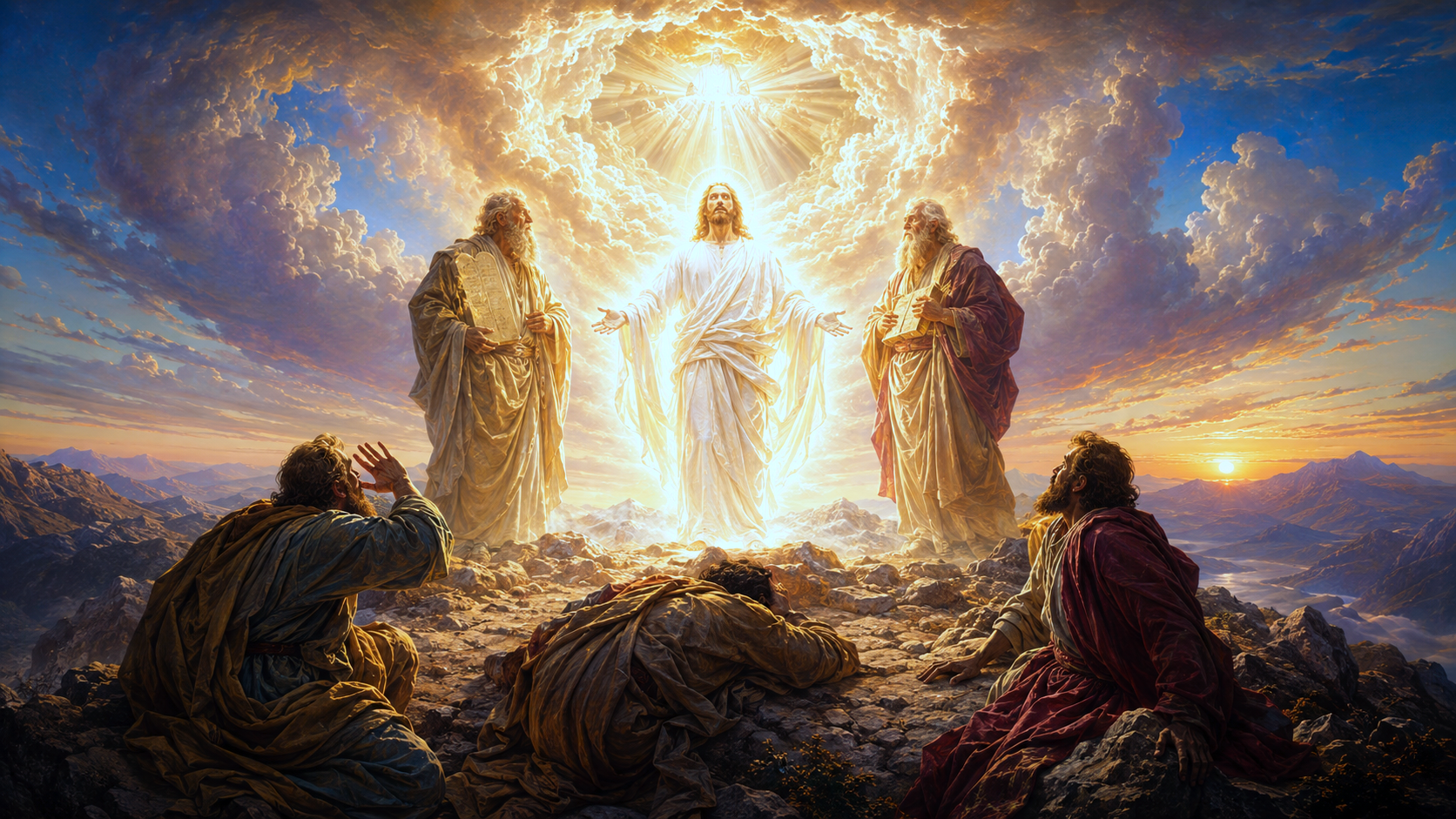
The Mountain That Will Not Count to Three
The Transfiguration of Christ and how it contributes to understand the Holy Trinity. Read that scene slowly, and the tritheism charge does not survive it — but neither, and this is the part the sceptic never expects, does the charge's mirror-image twin, the lazy shorthand that treats “God” as a single actor who occasionally puts on different hats. Both errors die on that mountain. That is rather the point of putting it there
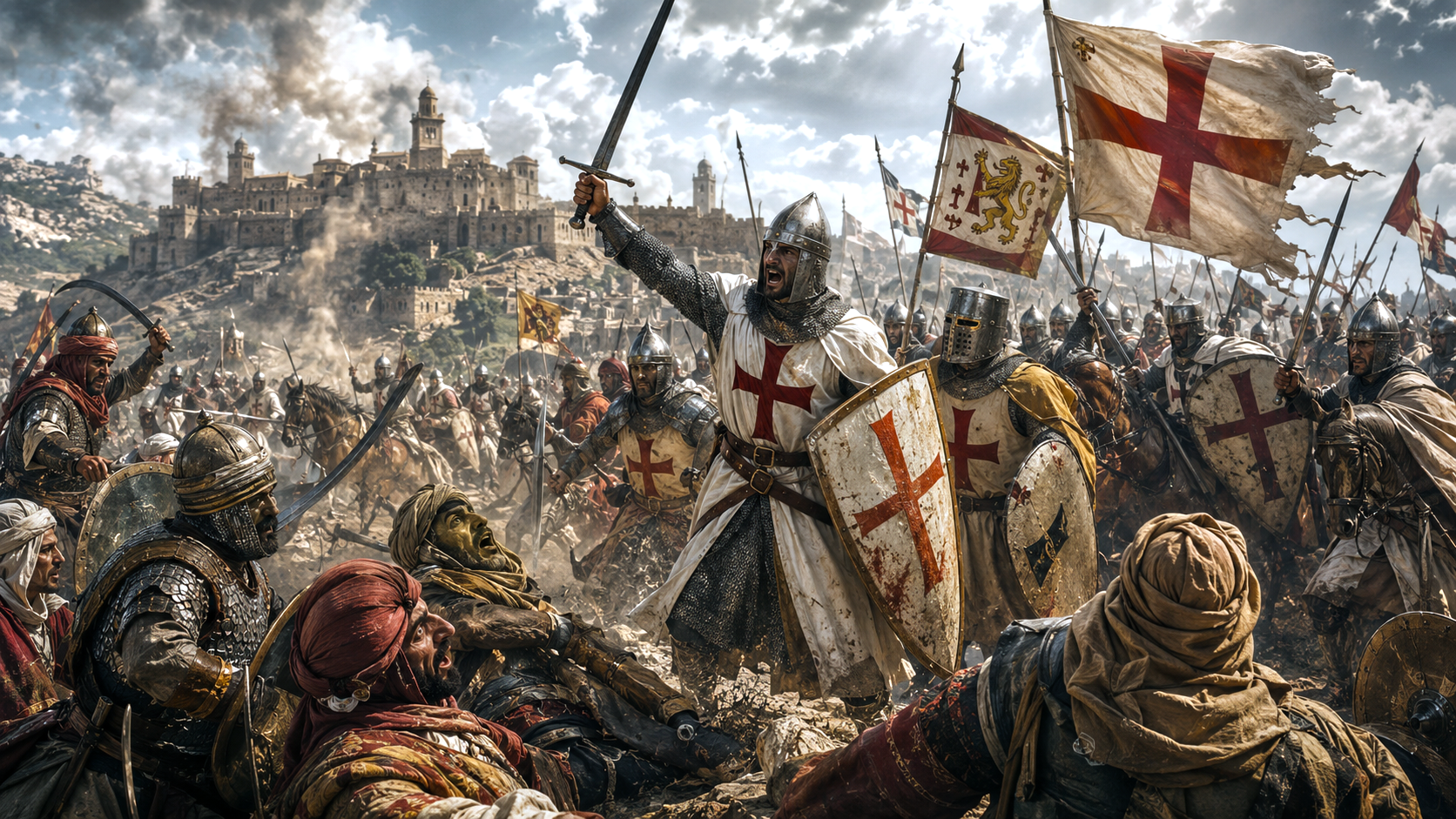
Public Letter to the Christian Faithful: The Threat of Unmanaged Immigration
To all who hold the Christian faith, and to those who cherish the inheritance of Western civilisation built upon Judeo-Christian foundations:
We write in a spirit of clarity and resolve concerning the present crisis of migration into Europe, and specifically the policies pursued by Spain and other European governments. Read more…
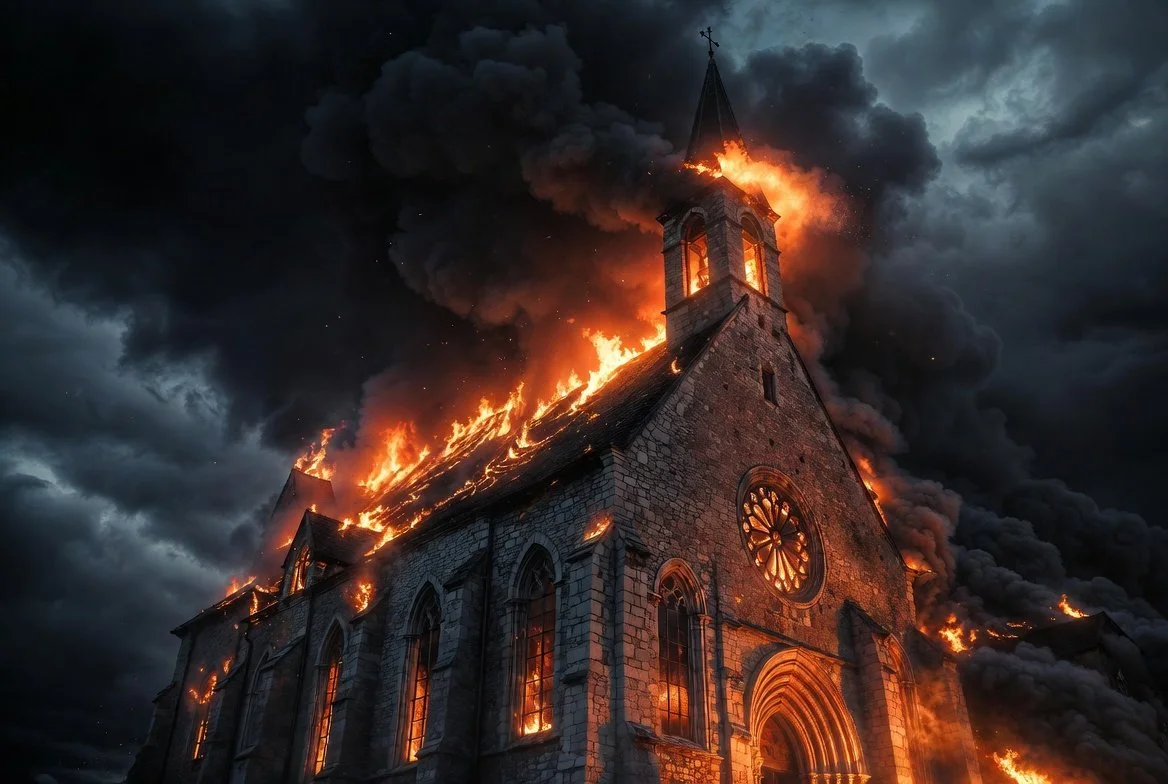
A Public Letter to the Faithful - Attacks on Churches
Public letter to all Christians, regarding the apparent gradual increase in arson attacks against Churches, desecration of the Holy Eucharist in tabernacles and systematic destruction of the visible presence of Christianity.
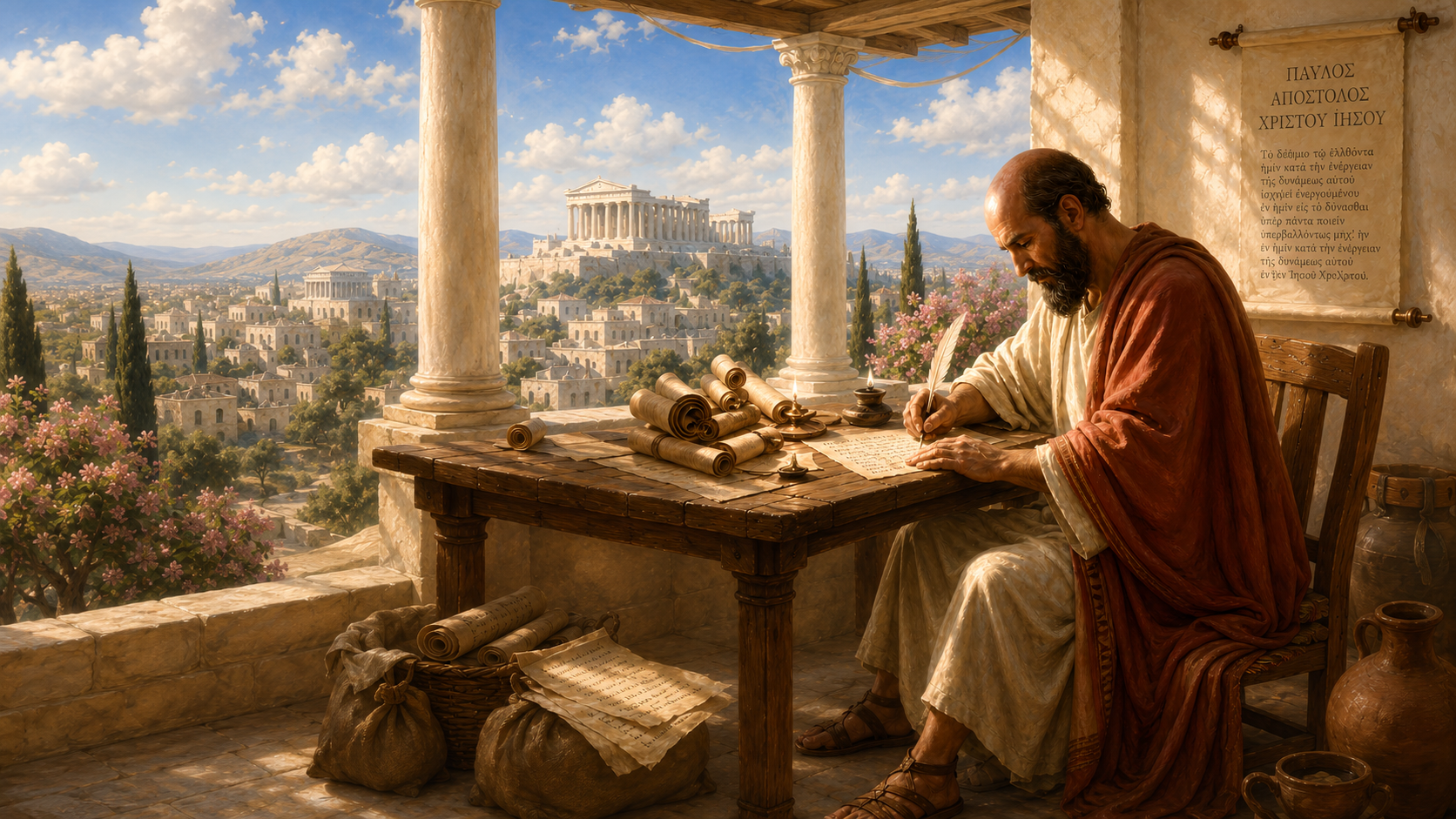
Paul: THE APOSTLE WHO RECEIVED NOTHING
There is a sentence at the head of Paul’s angriest letter that ought to have settled the whole quarrel about apostolic succession before it was fairly begun, and which has instead been tiptoed past for the better part of two thousand years. The apostle is introducing himself to the Galatians, and he does it by naming, with some heat, everyone from whom he did not receive his office:
Paul, an apostle — not from men, nor through a man, but through Jesus Christ and God the Father, who raised him from the dead.
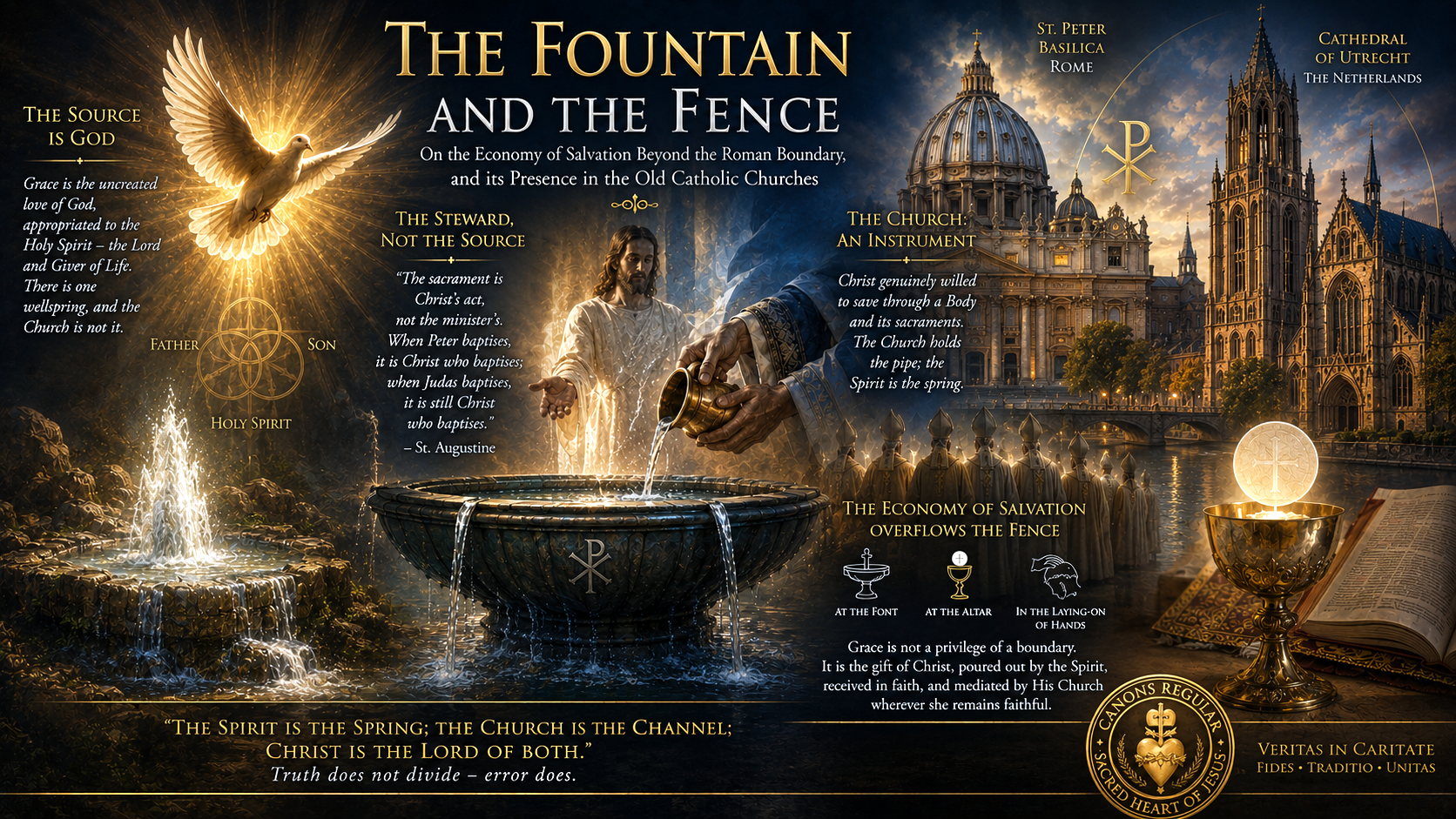
The Fountain and the Fence
Ask an ordinary believer where grace comes from, and you will most often be handed a choice: from the Church, he will say, or from the Holy Spirit — as though these were two shops on the same street, and one had to be preferred. It has assumed that the Church and the Spirit are rivals for the same office. Confuse the steward with the source and you will build an empire. Distinguish them, and the empire dissolves into what it always was: a household of servants entrusted with a treasure they did not mint.
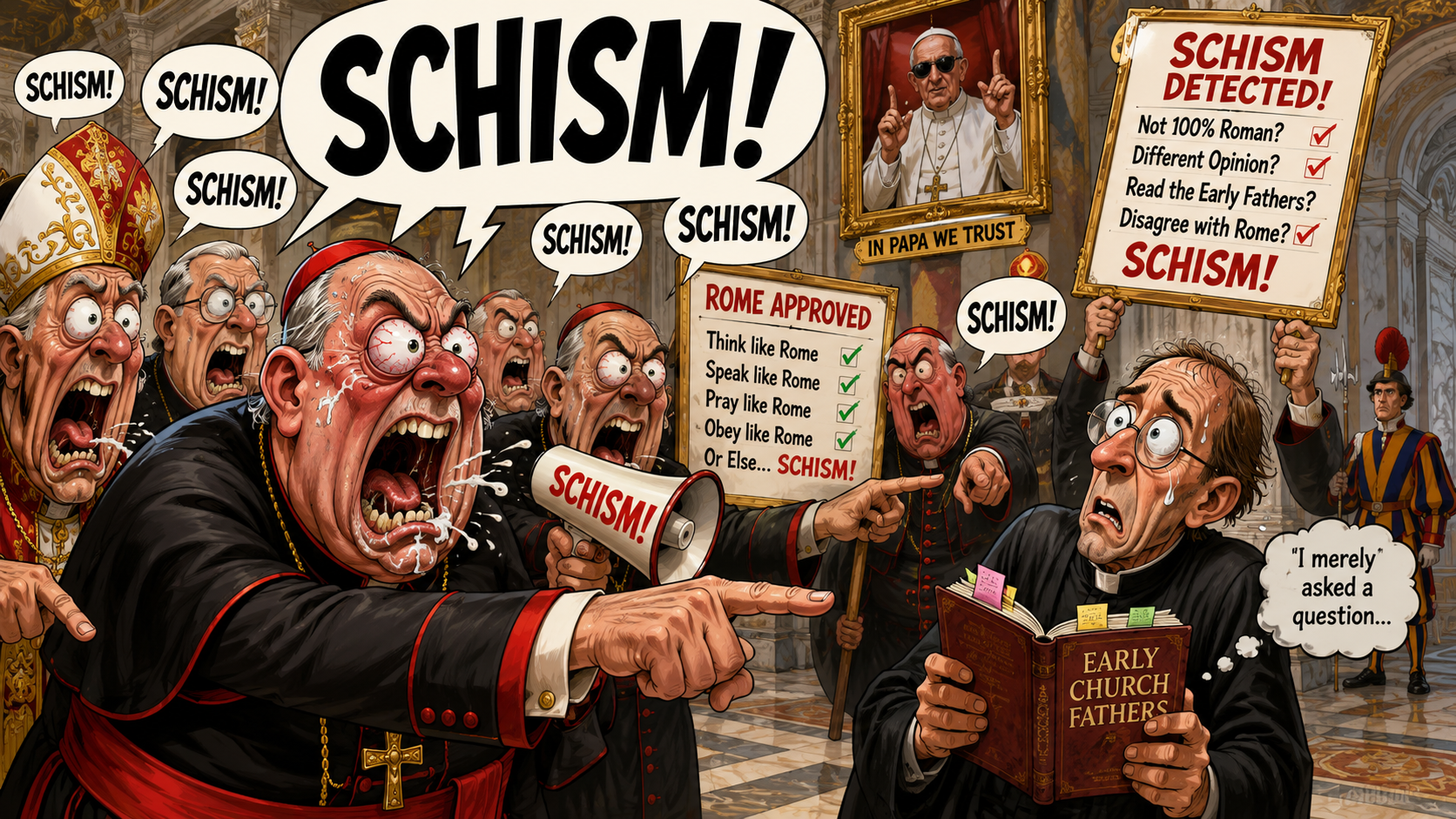
The Boy Who Cried Schism
There is a word in the Roman lexicon that has been worked half to death. It is hauled out of bed at all hours, made to stand in every doorway, set upon every passing stranger, and expected—poor exhausted thing—to do the labour of an entire theology with none of the dignity. The word is schism, and one begins, after a while, to feel a certain tenderness for it. It has the haunted look of a servant who has been told that everything is his fault: the burnt toast, the falling empire, the weather. Read further…
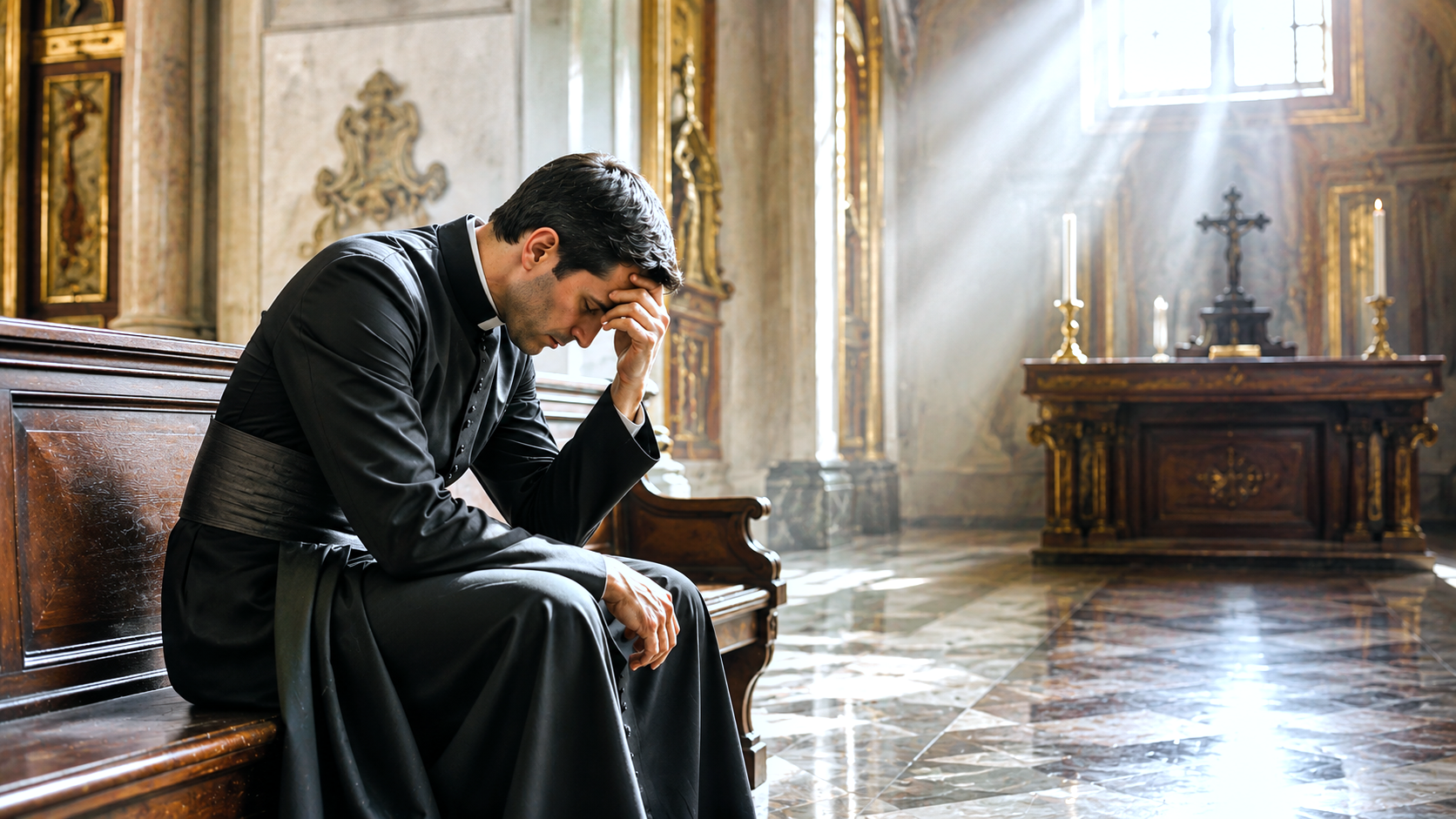
CELIBACY: A Certain Physical and Psychic Void
There is a sentence in Sacerdotalis Caelibatus that Paul VI plainly did not intend to be read the way I am about to read it. Defending the law of clerical celibacy against every objection he could muster the courage to name, he concedes that the young man who embraces it is walking a road that leads, “on the one hand … to a certain physical and psychic void.”… Read further…
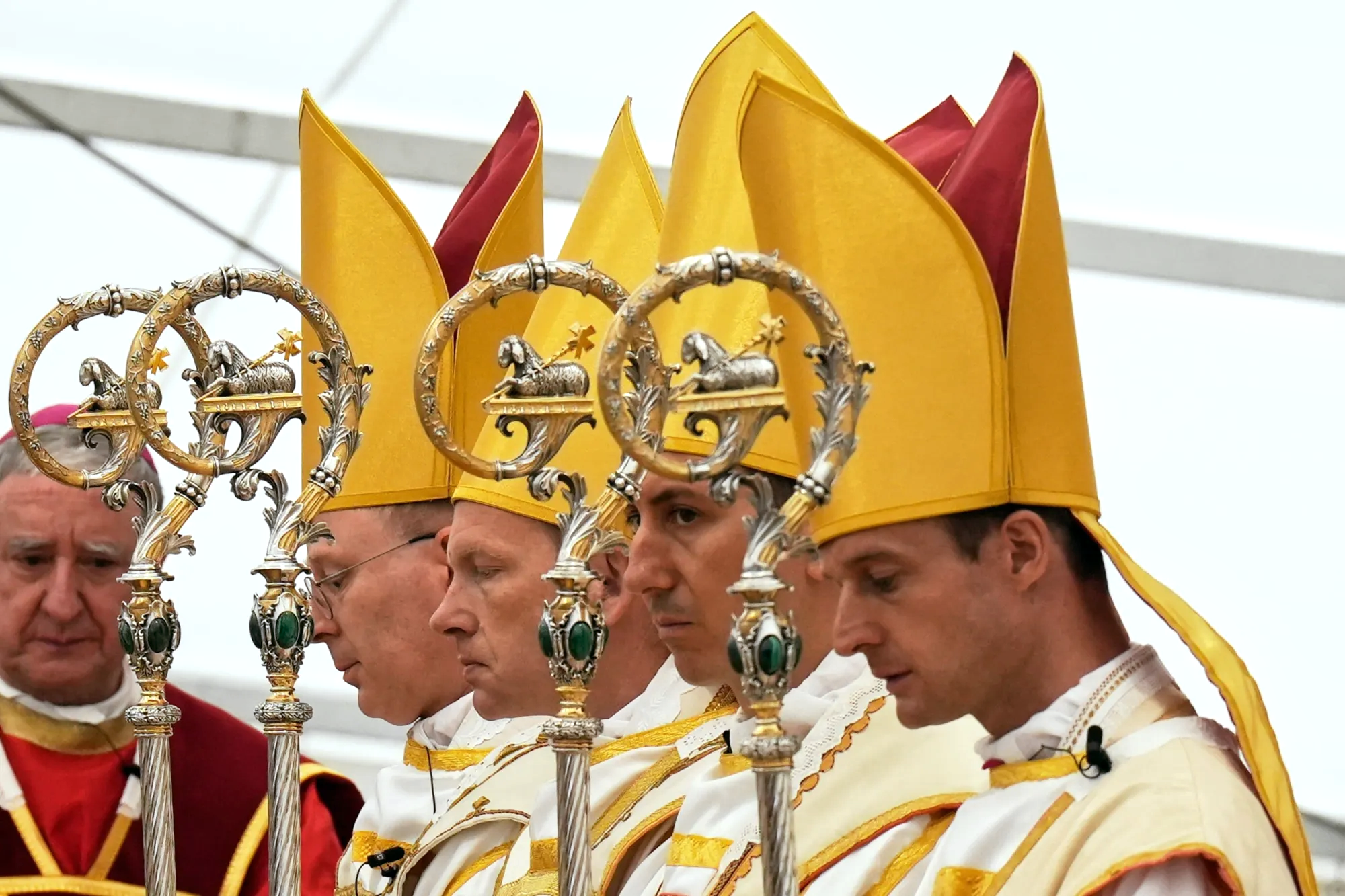
The Mother Who Kept Him Waiting
The Roman Catholic Church likes to describe herself as mater et magistra — mother and teacher — an institution whose scale and antiquity are supposed to make possible a patience no smaller body could afford. Whatever verdict history eventually renders on the theology of the Society of Saint Pius X, the documentary record of the eleven months preceding 1 July 2026 does not show that patience being exercised.
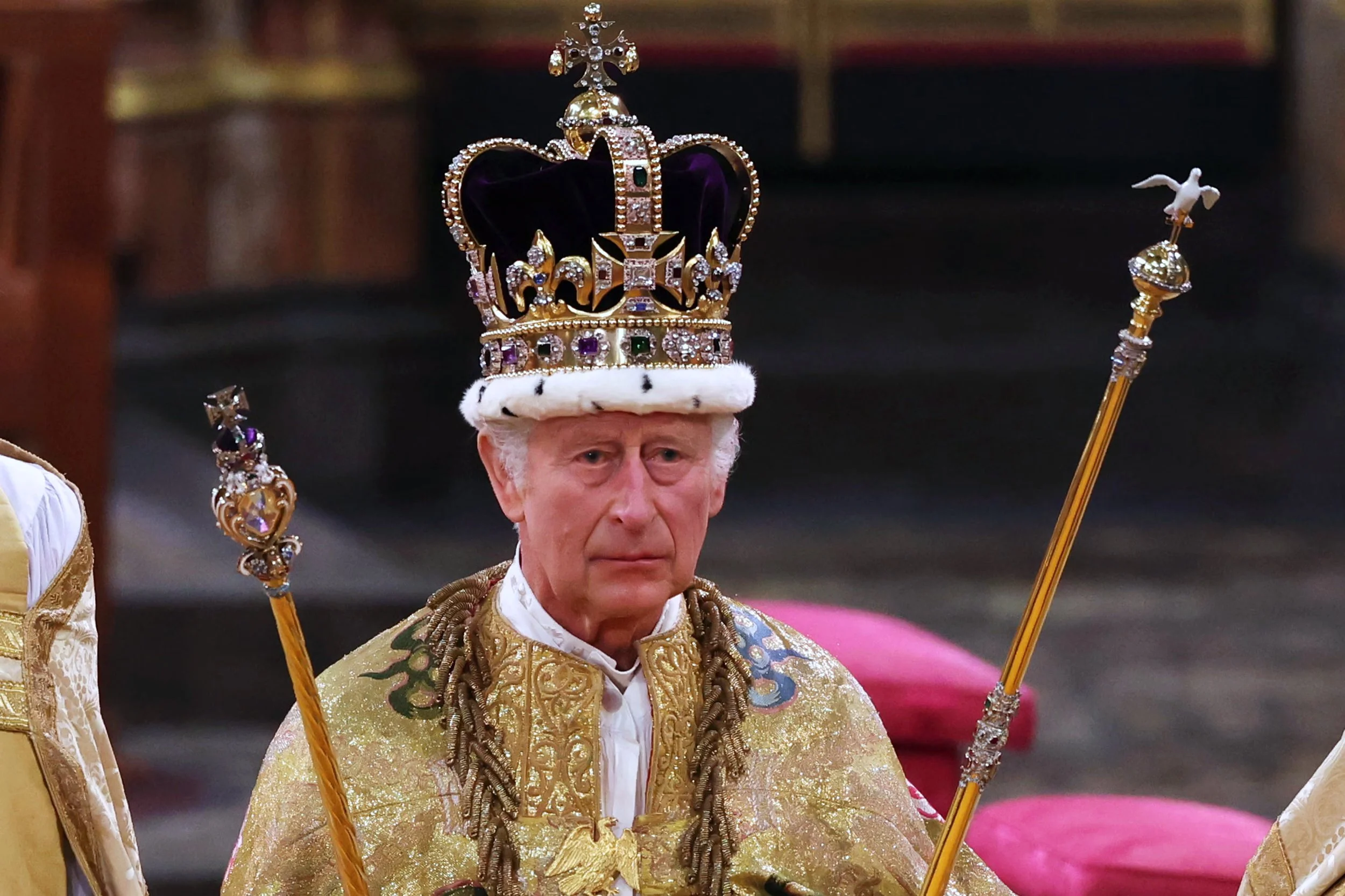
Defender of the Faith, of All Faiths, or None?
King Charles III, the Coronation Oath, and the Incoherence of Royal Pluralism
There is a certain kind of confusion that presents itself as magnanimity. It speaks warmly of inclusion, of tolerance, of the spiritual richness of diverse traditions — and it does so with complete sincerity. What it does not do, because it cannot, is think the position through to its conclusions. King Charles III is a man of genuine religious curiosity and evident personal piety. He is also, on the specific question of his role as Defender of the Faith, in a position of irresolvable self-contradiction — and the coronation oath he swore before God in Westminster Abbey in May 2023 makes that contradiction a matter of public and solemn record.
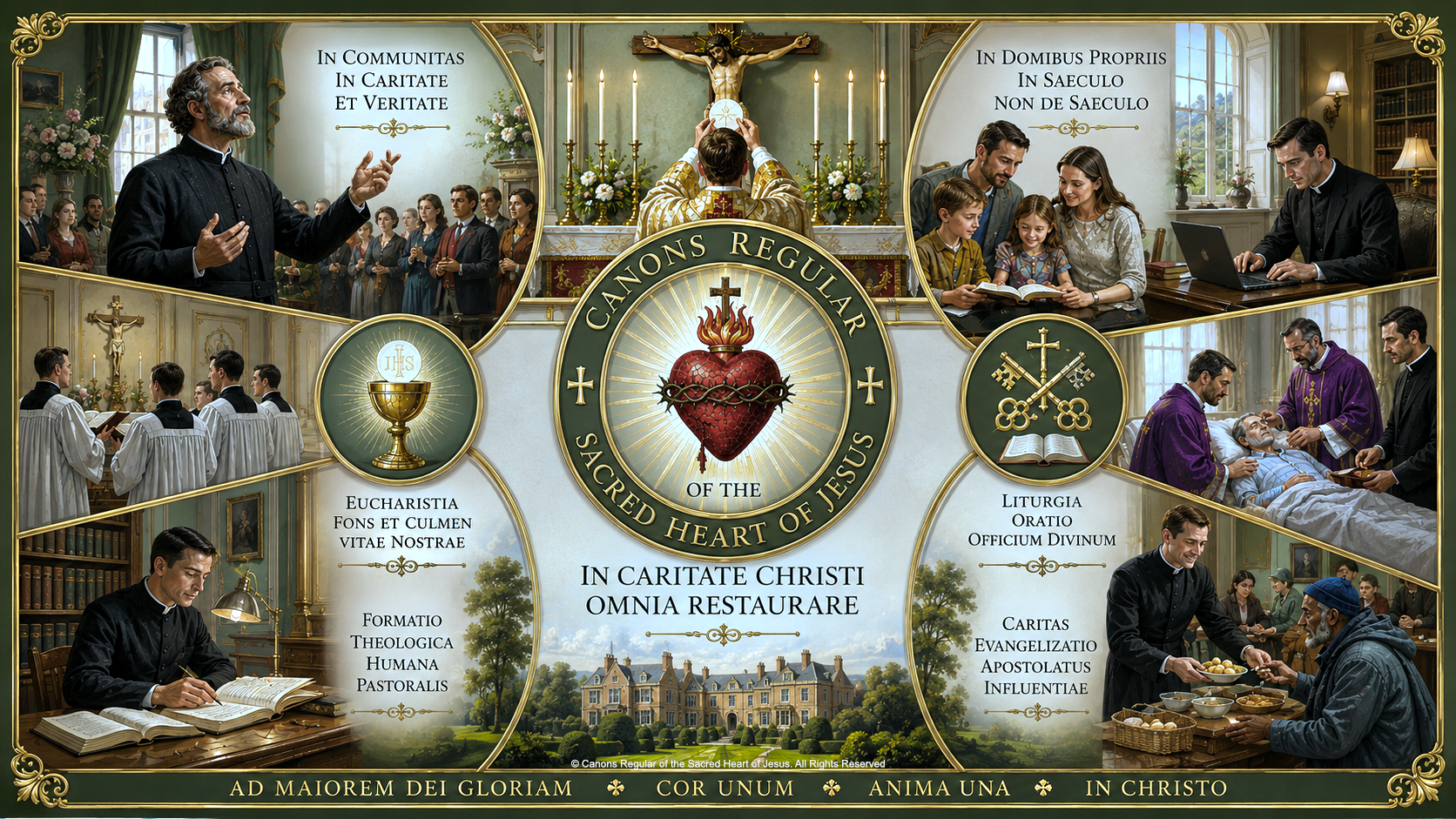
Called, But Not Yet Certain?
Called, But Not Yet Certain
A guide to vocational discernment for the Canons Regular of the Sacred Heart of Jesus
There is a peculiar feature of a genuine vocation: it does not wait to be convenient. It arrives — quietly, persistently, sometimes inconveniently — not as a thunderclap but as a steady accumulation of quiet certainties. Newman captured something of this when he wrote of God creating each person to do "some definite service" that no other can do in quite the same way.
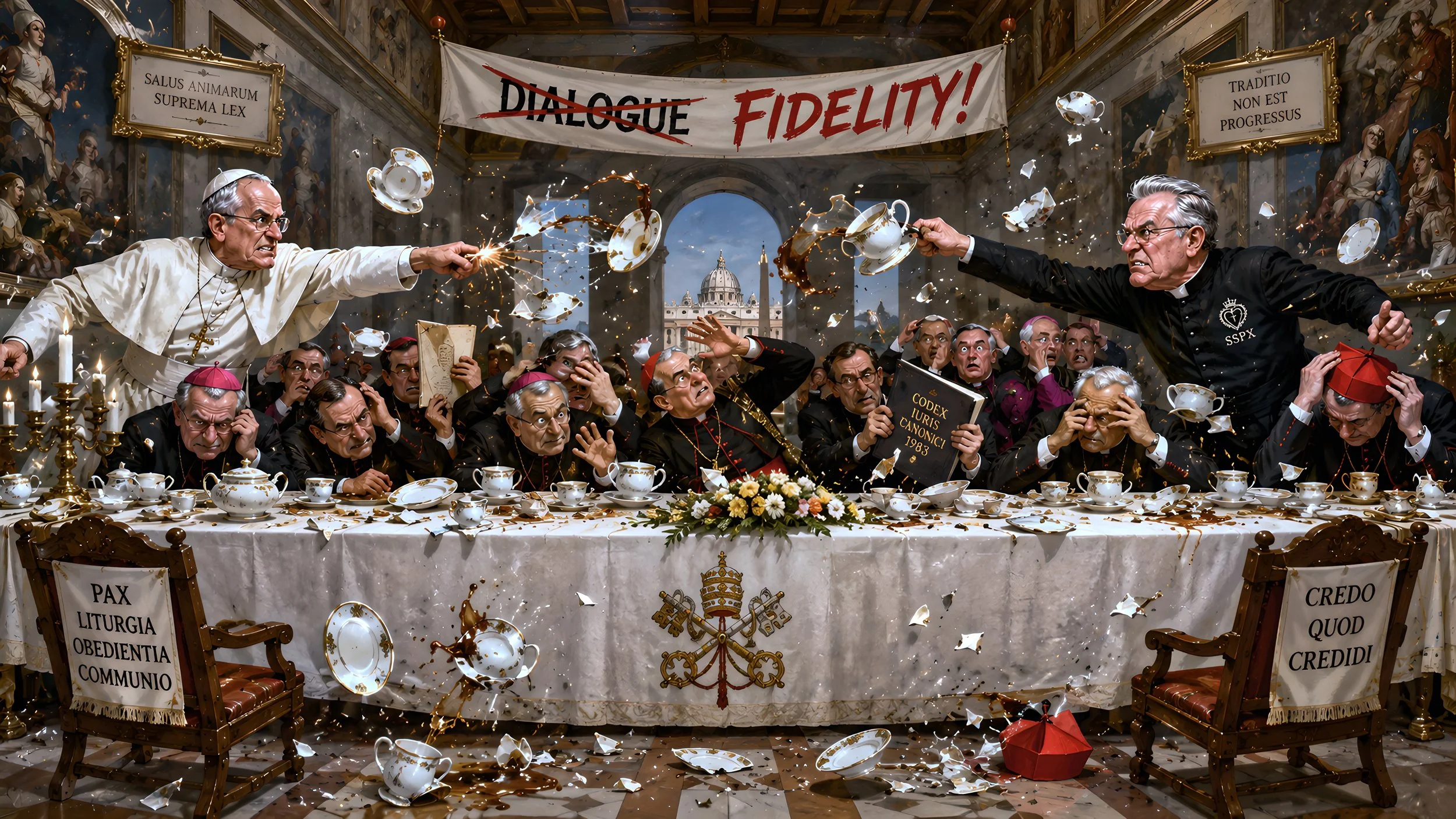
MIND THE LIMOGES
SSPX vs. Holy See: There is a word the English keep for a certain genre of marital combat: the domestic. It is the row the neighbours hear through the partition wall — the raised voices, the slammed door, and, at the climax, the unmistakable timpani of crockery making contact with plaster. Nobody calls the police. Everybody listens. And the next morning, over the fence, the verdict is delivered: Did you hear them last night?😁
