
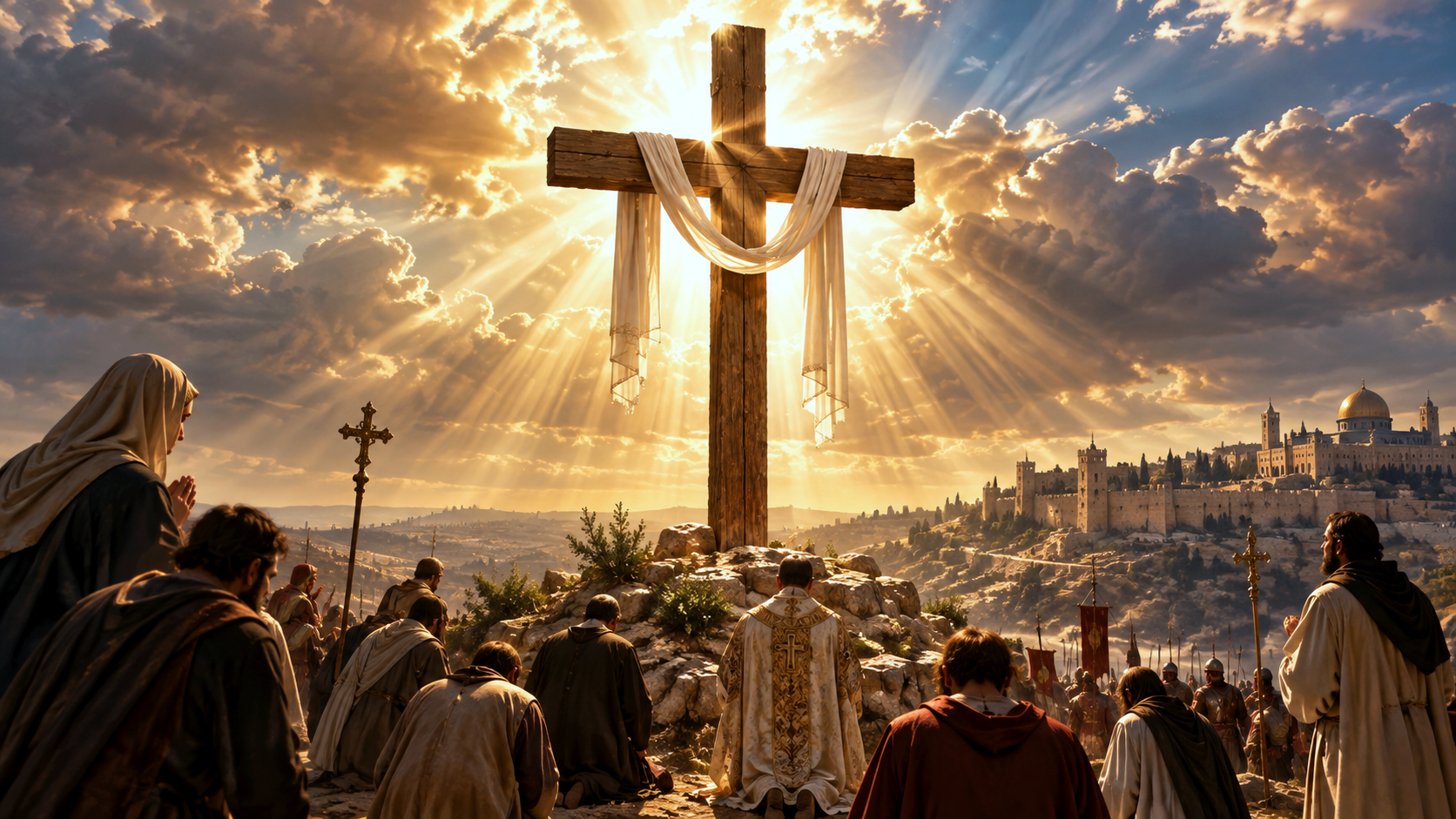
Lifted Up… The Exaltation of the Holy Cross
The Roman Calendar names tomorrow's feast the Exaltatio Sanctae Crucis. The Byzantine books name it Ἡ Παγκόσμιος Ὕψωσις τοῦ Τιμίου καὶ Ζωοποιοῦ Σταυροῦ, the Universal Elevation of the Precious and Life-giving Cross. Both titles are built upon a verb of raising, and both attach that verb to an object which no one in the ancient world would have thought raisable in any sense but the literal and the degrading.
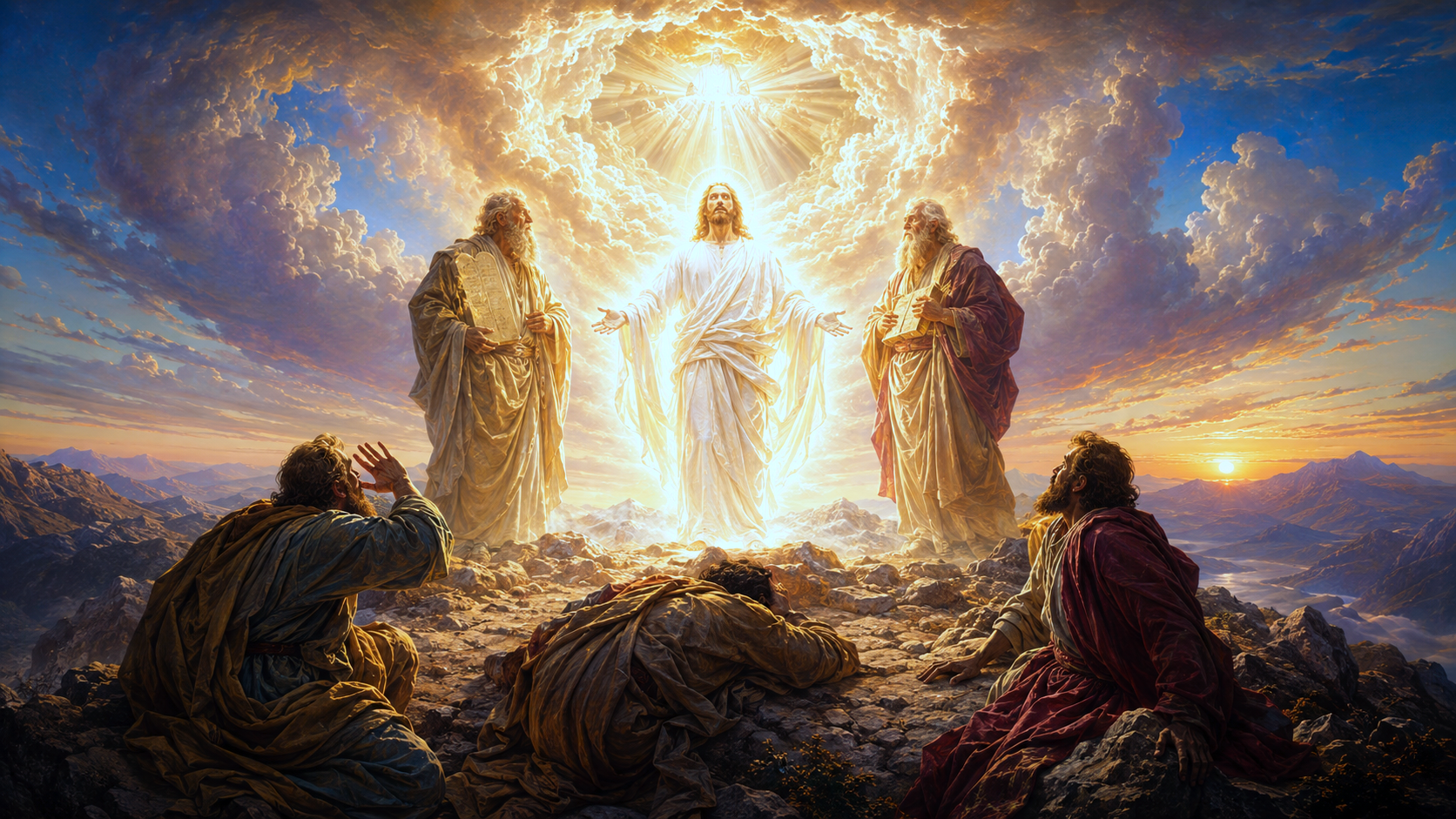
The Mountain That Will Not Count to Three
The Transfiguration of Christ and how it contributes to understand the Holy Trinity. Read that scene slowly, and the tritheism charge does not survive it — but neither, and this is the part the sceptic never expects, does the charge's mirror-image twin, the lazy shorthand that treats “God” as a single actor who occasionally puts on different hats. Both errors die on that mountain. That is rather the point of putting it there
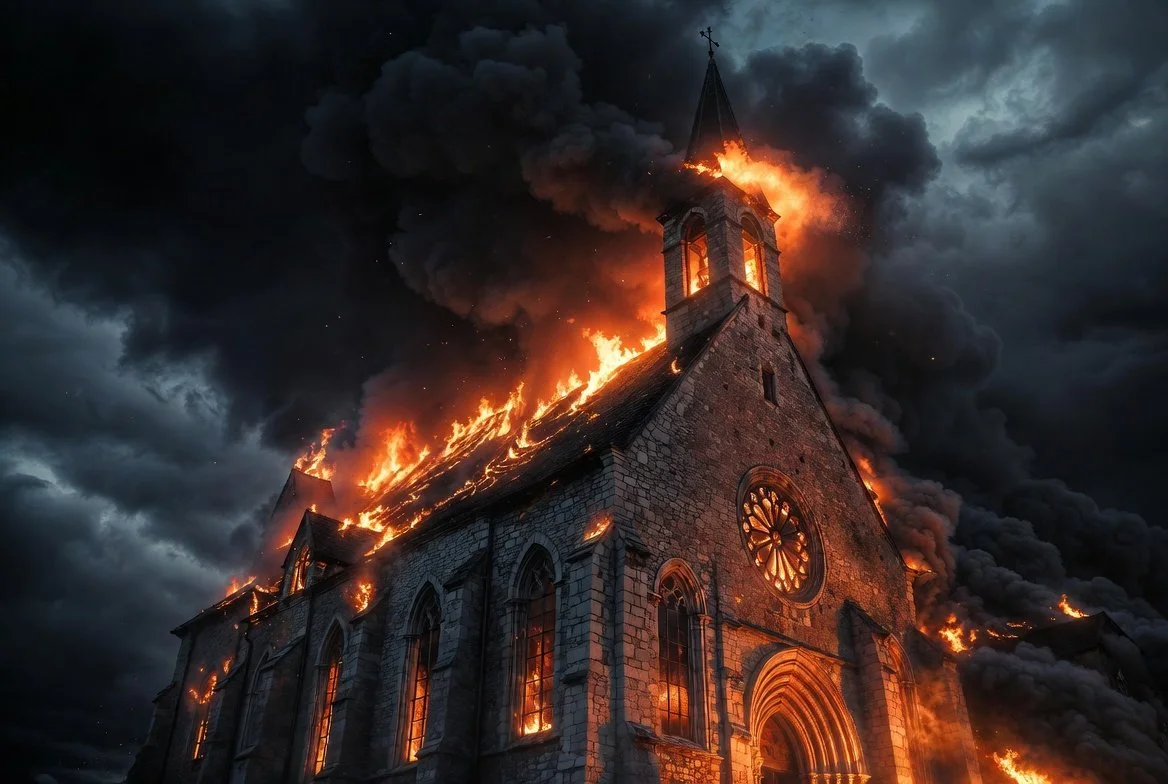
A Public Letter to the Faithful - Attacks on Churches
Public letter to all Christians, regarding the apparent gradual increase in arson attacks against Churches, desecration of the Holy Eucharist in tabernacles and systematic destruction of the visible presence of Christianity.
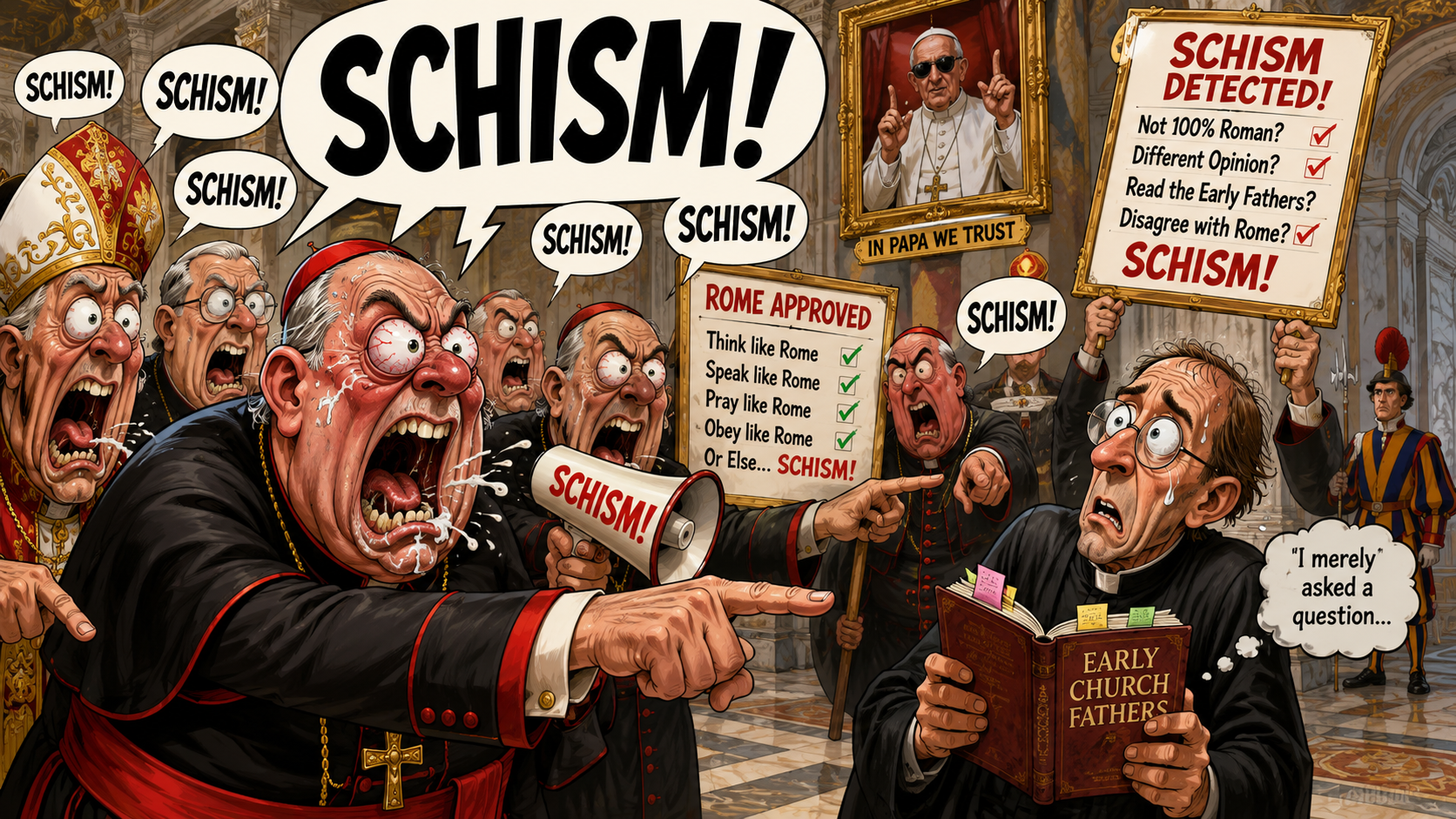
The Boy Who Cried Schism
There is a word in the Roman lexicon that has been worked half to death. It is hauled out of bed at all hours, made to stand in every doorway, set upon every passing stranger, and expected—poor exhausted thing—to do the labour of an entire theology with none of the dignity. The word is schism, and one begins, after a while, to feel a certain tenderness for it. It has the haunted look of a servant who has been told that everything is his fault: the burnt toast, the falling empire, the weather. Read further…
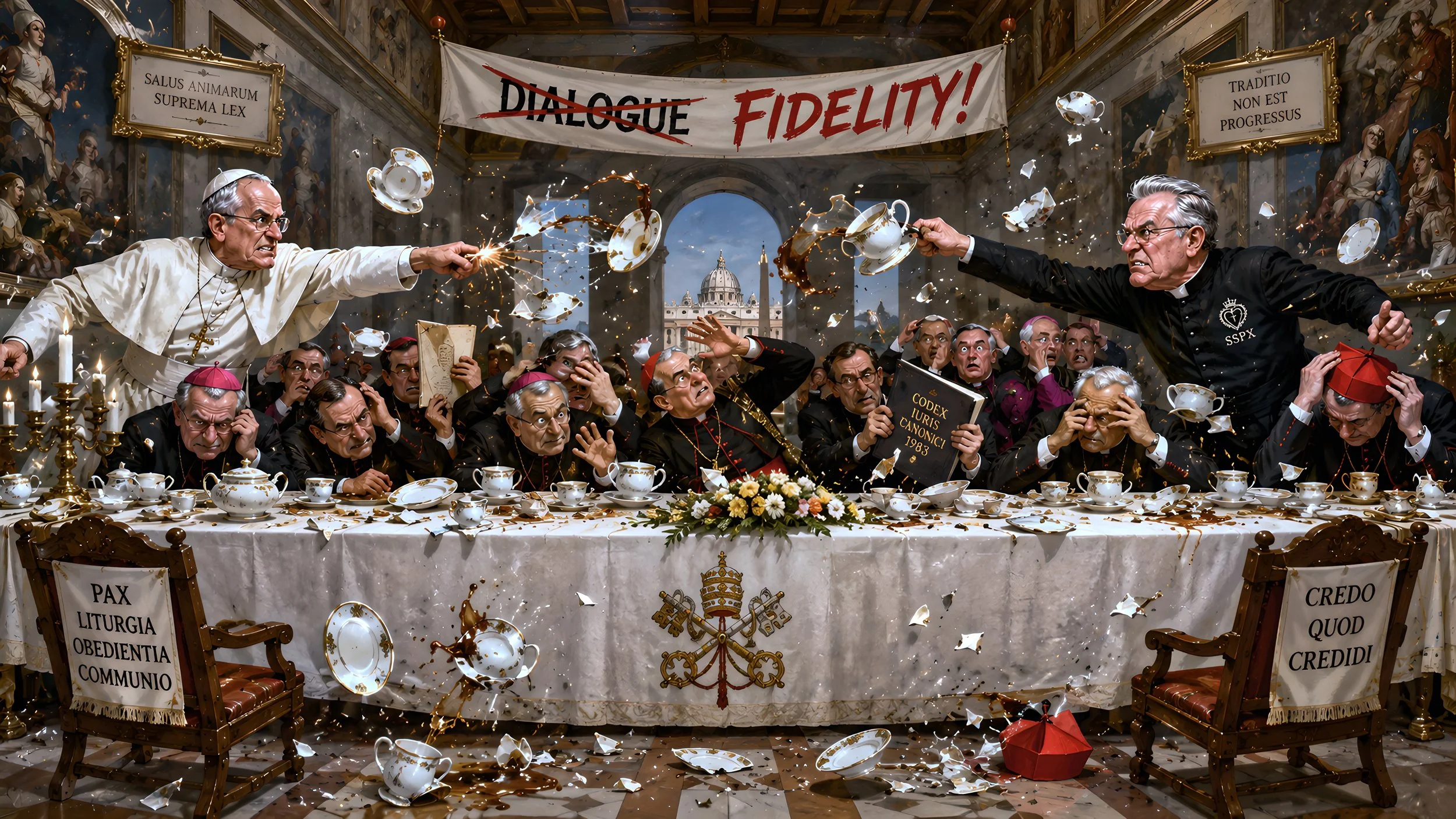
MIND THE LIMOGES
SSPX vs. Holy See: There is a word the English keep for a certain genre of marital combat: the domestic. It is the row the neighbours hear through the partition wall — the raised voices, the slammed door, and, at the climax, the unmistakable timpani of crockery making contact with plaster. Nobody calls the police. Everybody listens. And the next morning, over the fence, the verdict is delivered: Did you hear them last night?😁
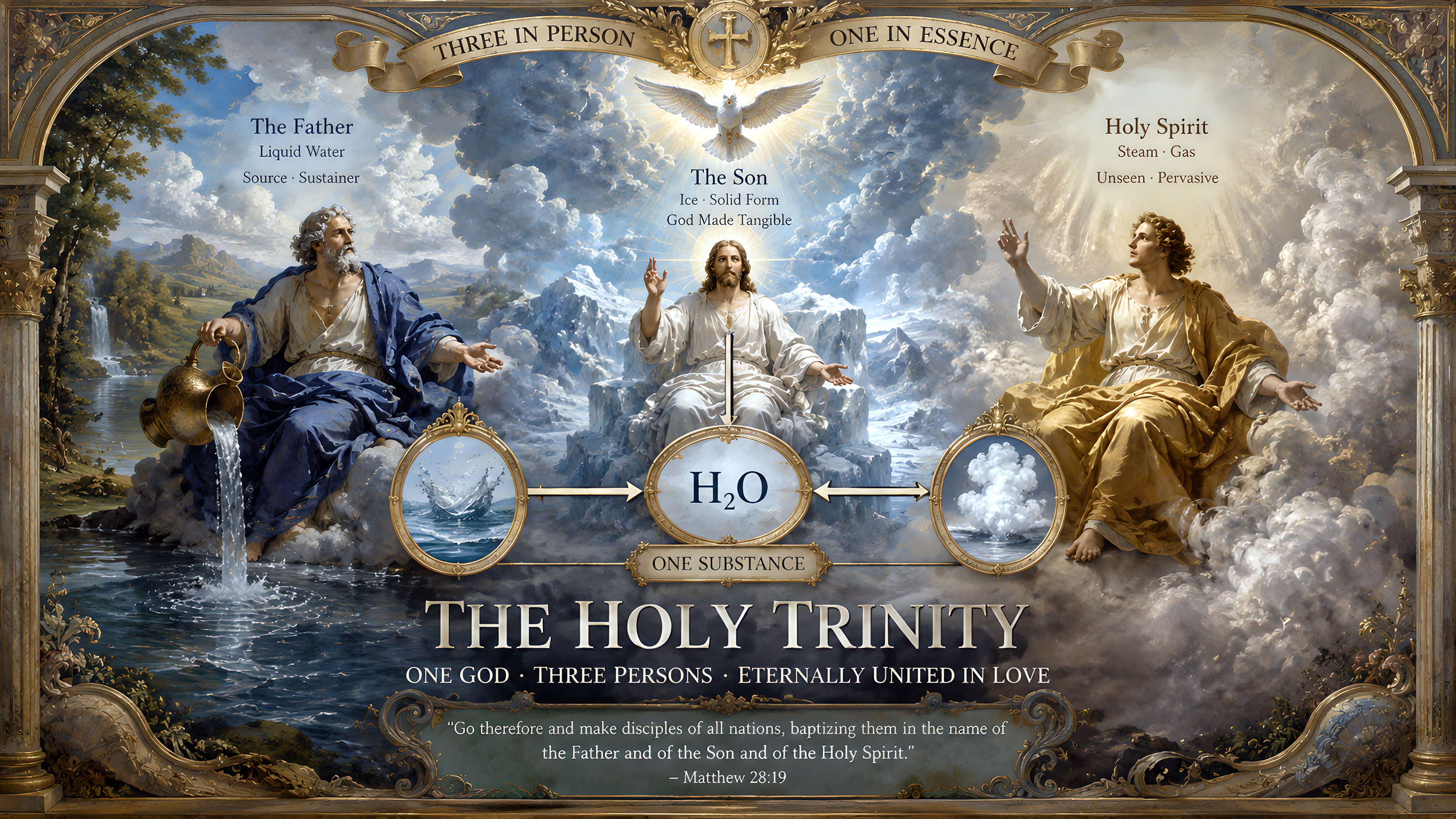
H₂Oh! Understanding the Holy Trinity Through Water
Raise your hand if you've ever sat in a pew, a Sunday school class, or a late-night dorm room conversation and thought: "The Holy Trinity? Sure. Absolutely. Three-in-one. Totally got it." — while absolutely not getting it. 😂
Don't worry. You're in excellent company. Theologians have been wrestling with the doctrine of the Trinity since the Council of Nicaea in 325 AD, and the debate has been lively enough to make modern Facebook arguments look like polite tea parties. In fact, one bishop reportedly punched another bishop in the face over it. At a church council. Which, when you think about it, is an extremely committed way to do theology.
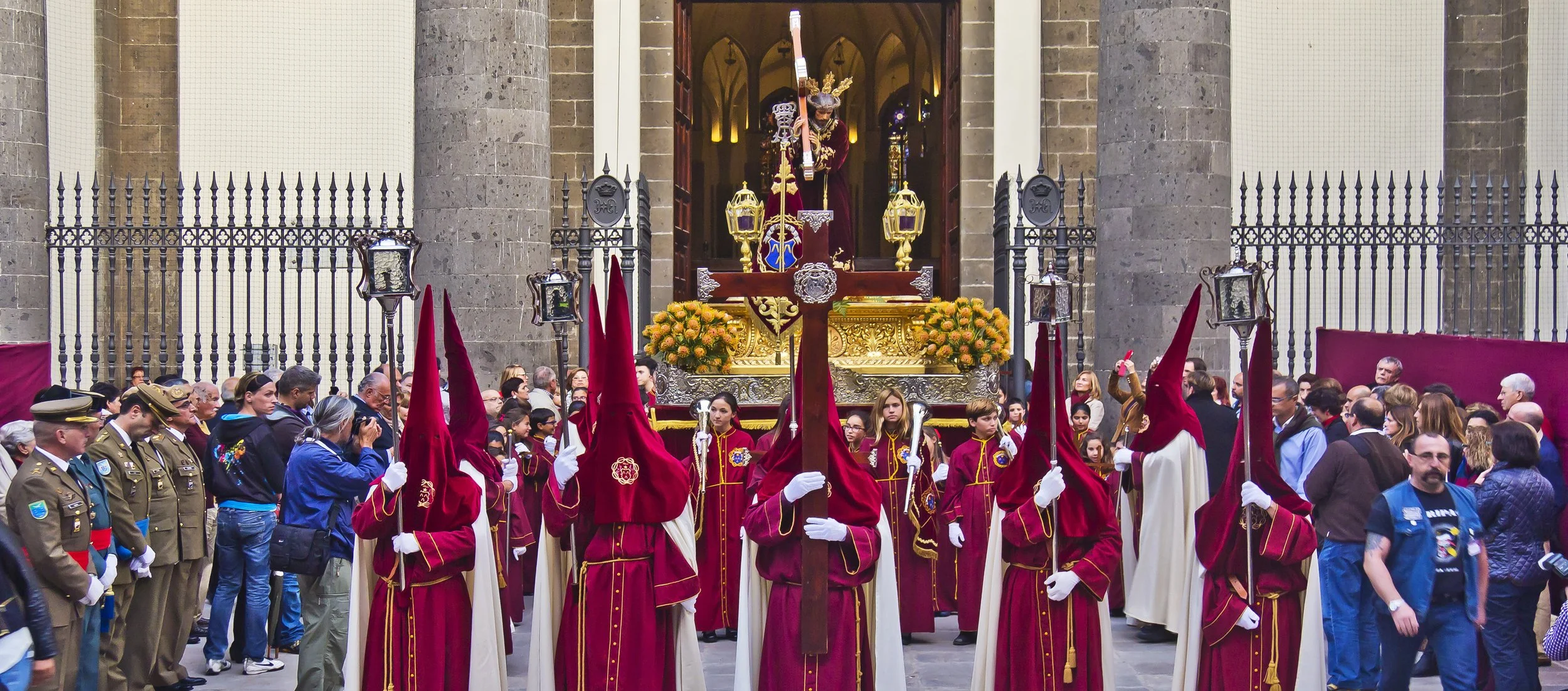
The Square and the Cross
The debate provoked by the Open Iftar in Trafalgar Square has been, on the whole, a depressing spectacle. It has revealed a Christian community — or what remains of it in the British public square — that is more comfortable with reactive indignation than with the hard work of evangelical renewal. It has revealed politicians who invoke Christianity as a cultural marker while showing little evidence of any personal acquaintance with its actual content. It has revealed media commentators who can generate heat around questions of religious identity without shedding much light on what any of the faiths in question actually teach.
What it has not revealed — at least not prominently — is the Christianity we actually need. The Christianity of the Holy Week processions. The Christianity of the open door and the burning lamp. The Christianity of the priest who takes the gospel to the streets, not because he wishes to dominate anyone, but because he has been grasped by something he cannot keep to himself.
