
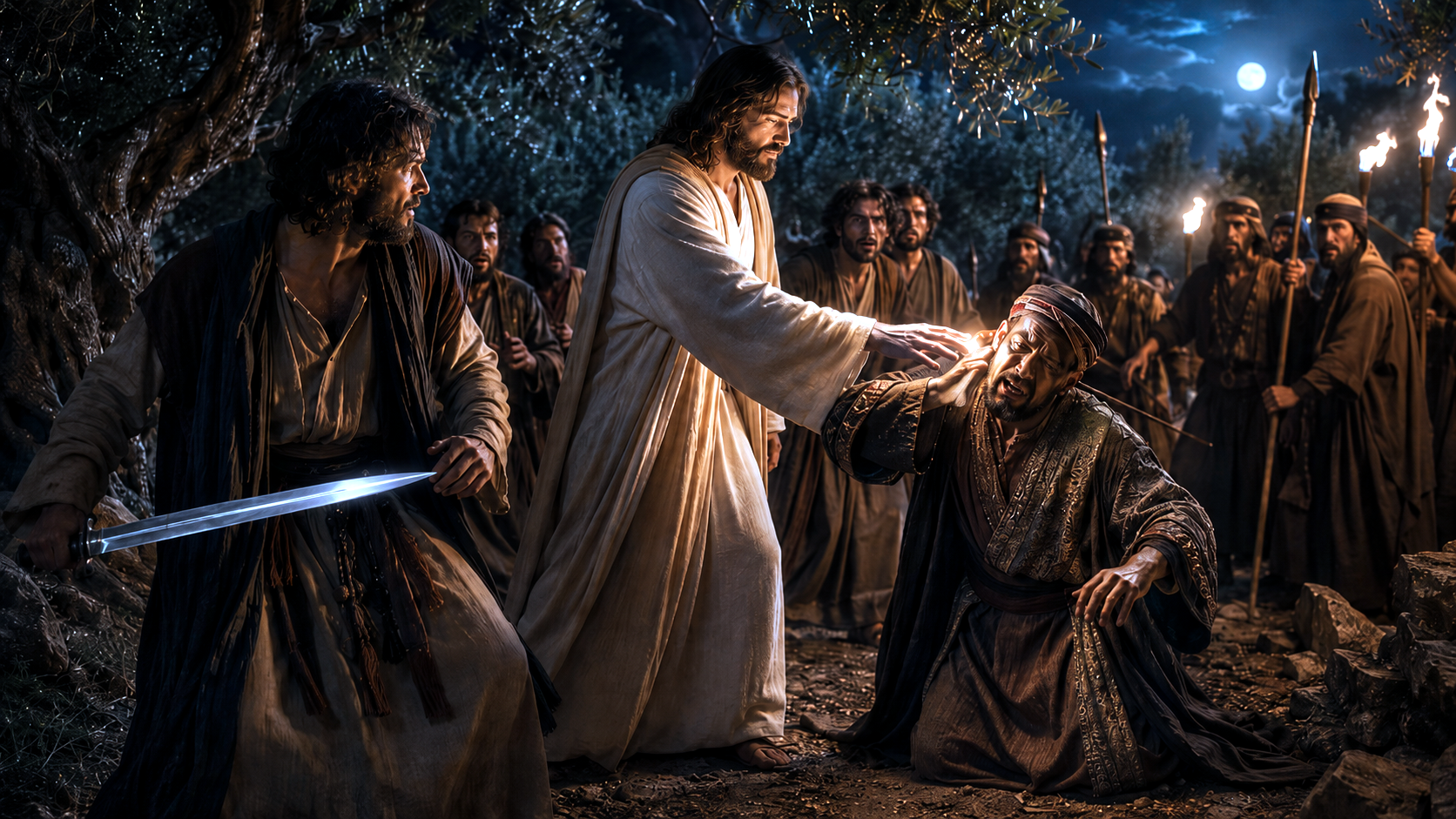
TWO SWORDS, ONE ENOUGH
Luke 22:36–38 Between the Sword of the Magistrate and the Consent of the Governed - A Coda to The Sword and the Stranger and The State and the Open Door. Conclusion to the Essay Trilogy on “Immigration, the State and Public Consent”.
THE SWORD AND THE STRANGER
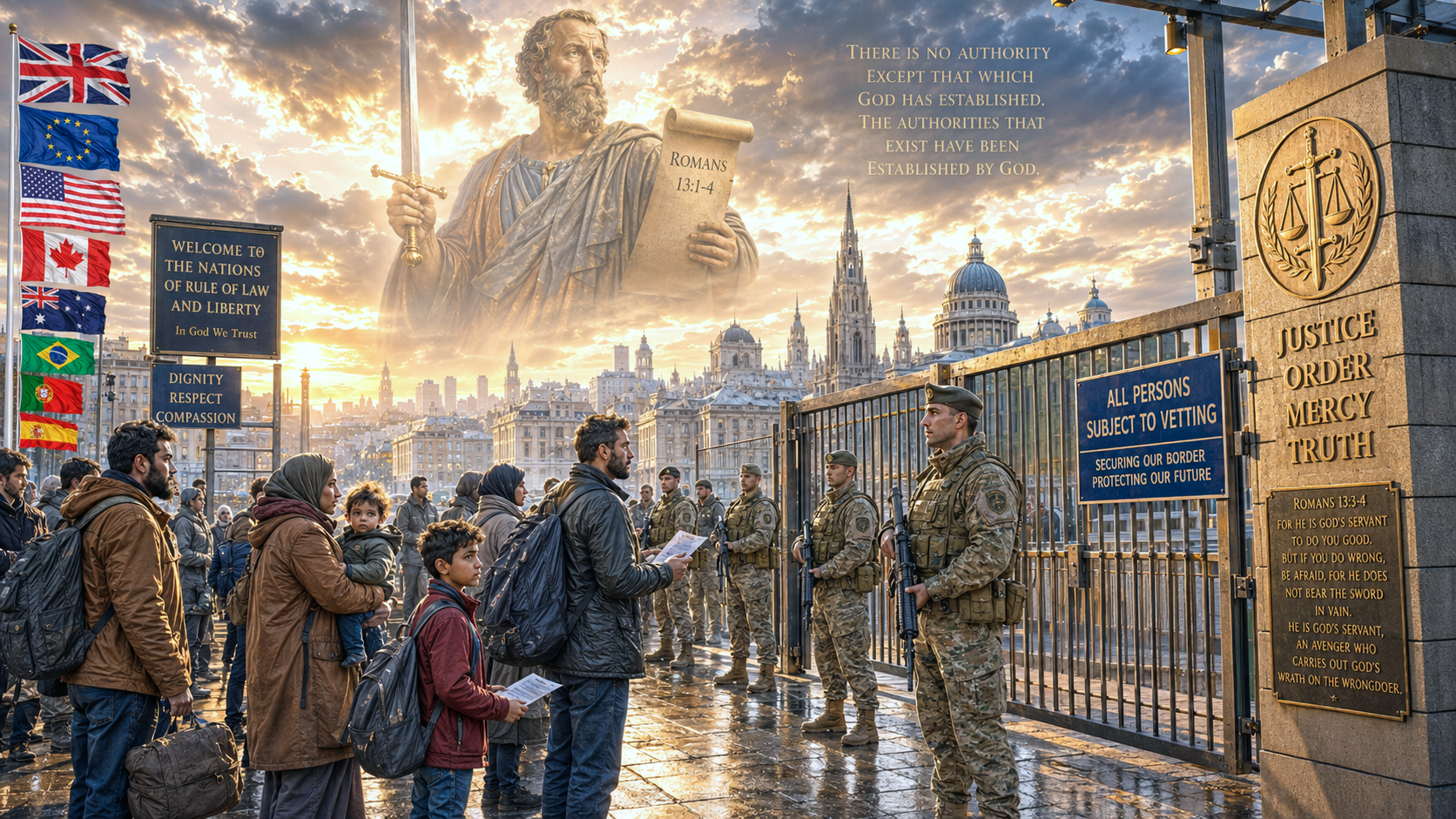
Popular argument on this question, from both directions, tends to treat the Gospels as though they were a manual of border statute waiting to be applied. They are not, and a piece that pretends otherwise earns nothing but the reader's justified suspicion. But refusing that error is not the same as refusing the question. Scripture, read across its full canon and its subsequent theological elaboration, does make two distinct and authentically weighty claims that bear on the matter of illegal immigration — one concerning the competence of civil authority, the other concerning the personal duty owed to the stranger.
The Mountain That Will Not Count to Three
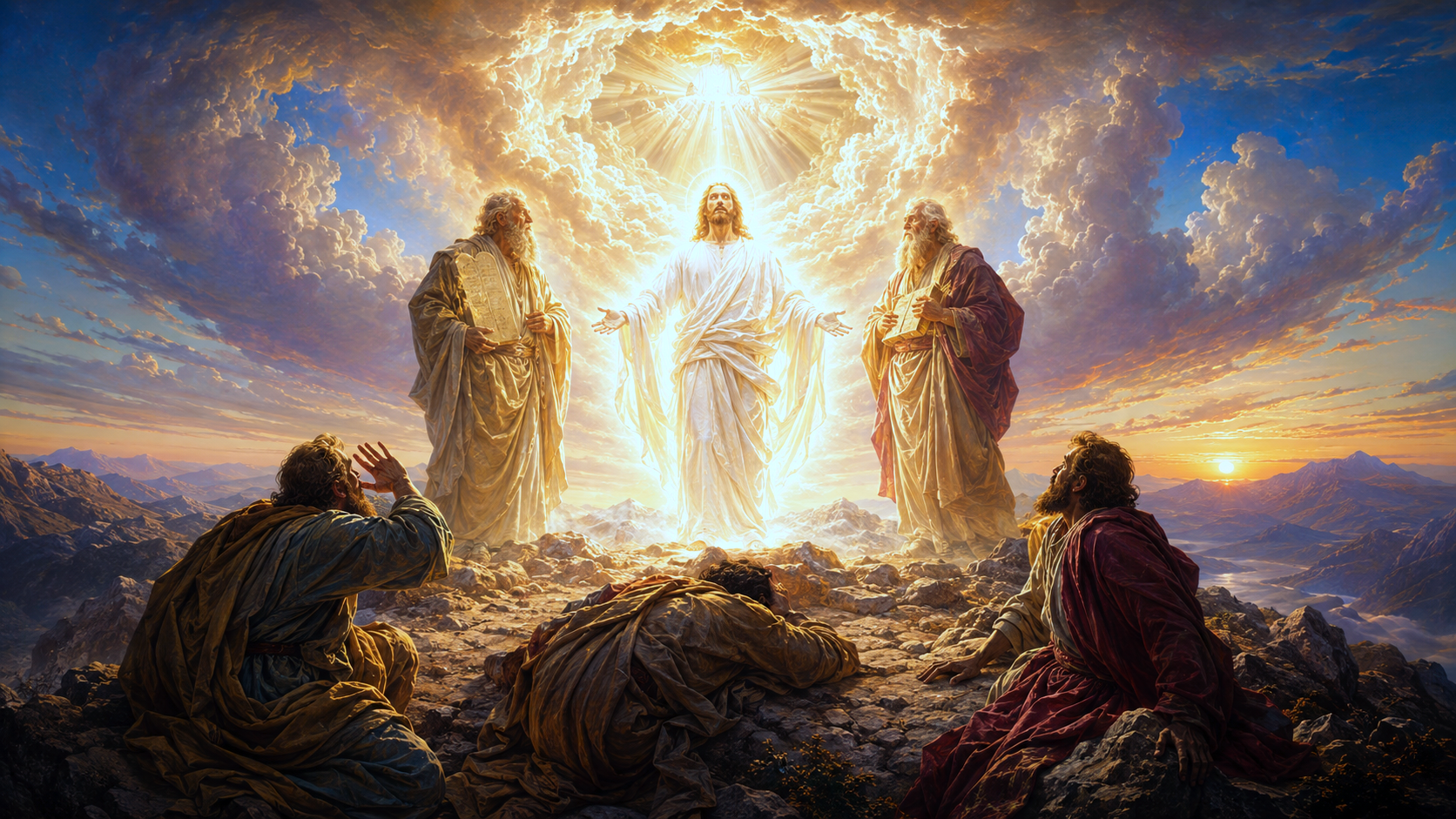
The Transfiguration of Christ and how it contributes to understand the Holy Trinity. Read that scene slowly, and the tritheism charge does not survive it — but neither, and this is the part the sceptic never expects, does the charge's mirror-image twin, the lazy shorthand that treats “God” as a single actor who occasionally puts on different hats. Both errors die on that mountain. That is rather the point of putting it there
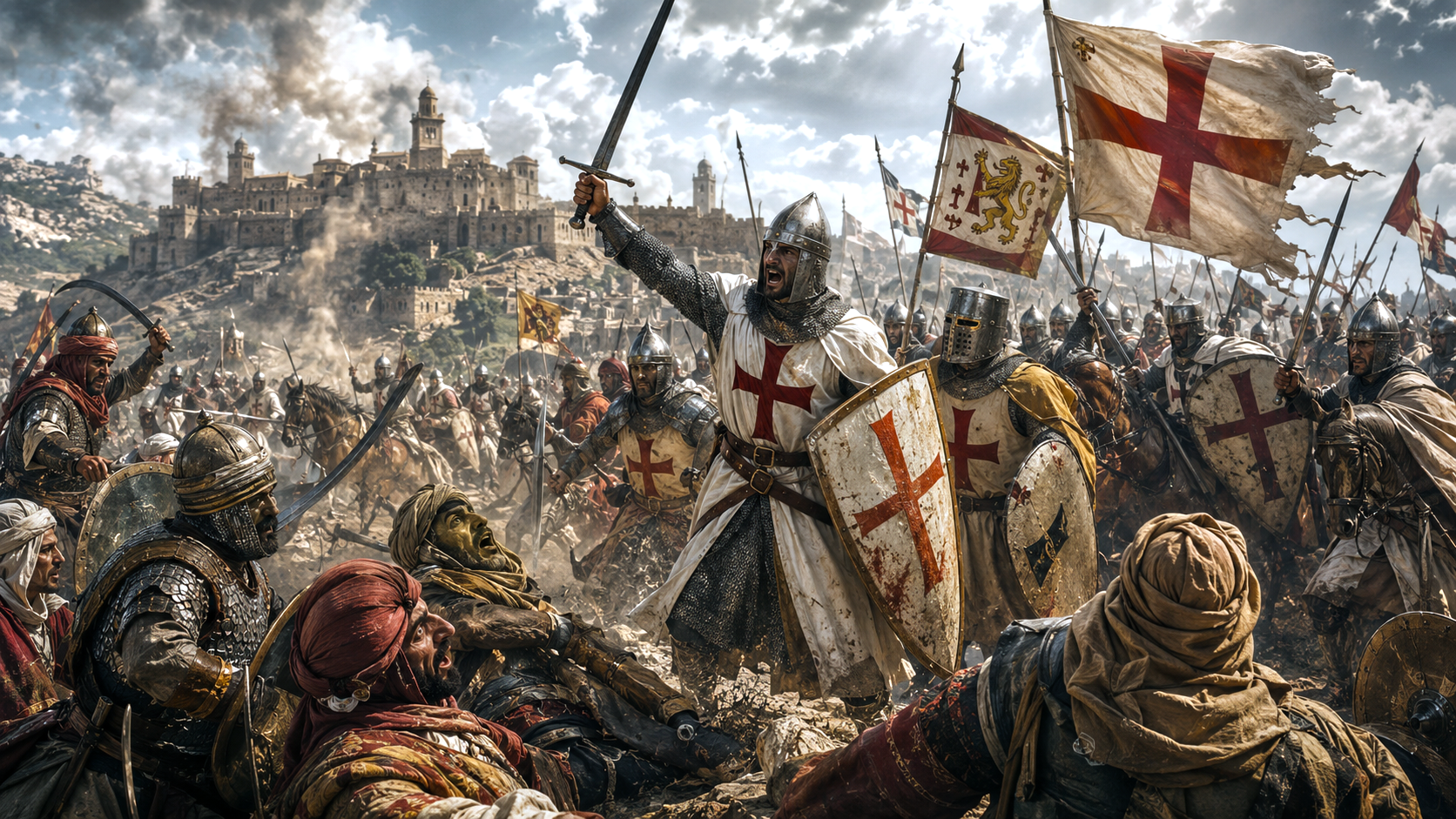
Public Letter to the Christian Faithful: The Threat of Unmanaged Immigration
To all who hold the Christian faith, and to those who cherish the inheritance of Western civilisation built upon Judeo-Christian foundations:
We write in a spirit of clarity and resolve concerning the present crisis of migration into Europe, and specifically the policies pursued by Spain and other European governments. Read more…
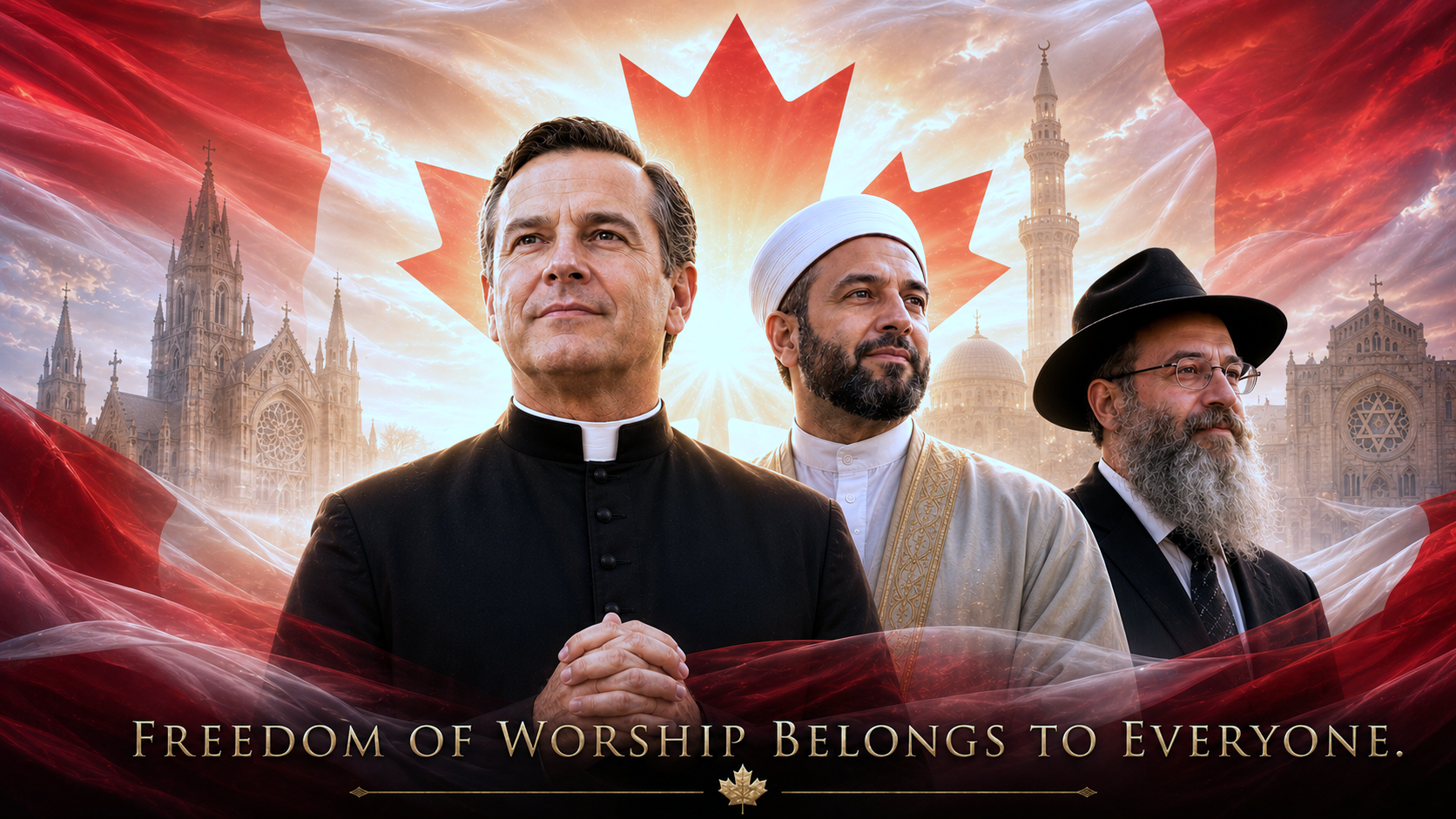
Combatting Hate: THE Believer’s Guide to Canada’s Bill C-9
The breathless claim that Bill C-9 “criminalises the Bible” is not quite true, and pretending otherwise will only get a well-meaning believer into trouble of a different kind. The more sober reality—that the Act removes a specific, named protection and shifts the whole question onto general defences and the discretion of prosecutors—is quite serious enough without embellishment. Sobriety here is not timidity; it is the prerequisite of useful advice.
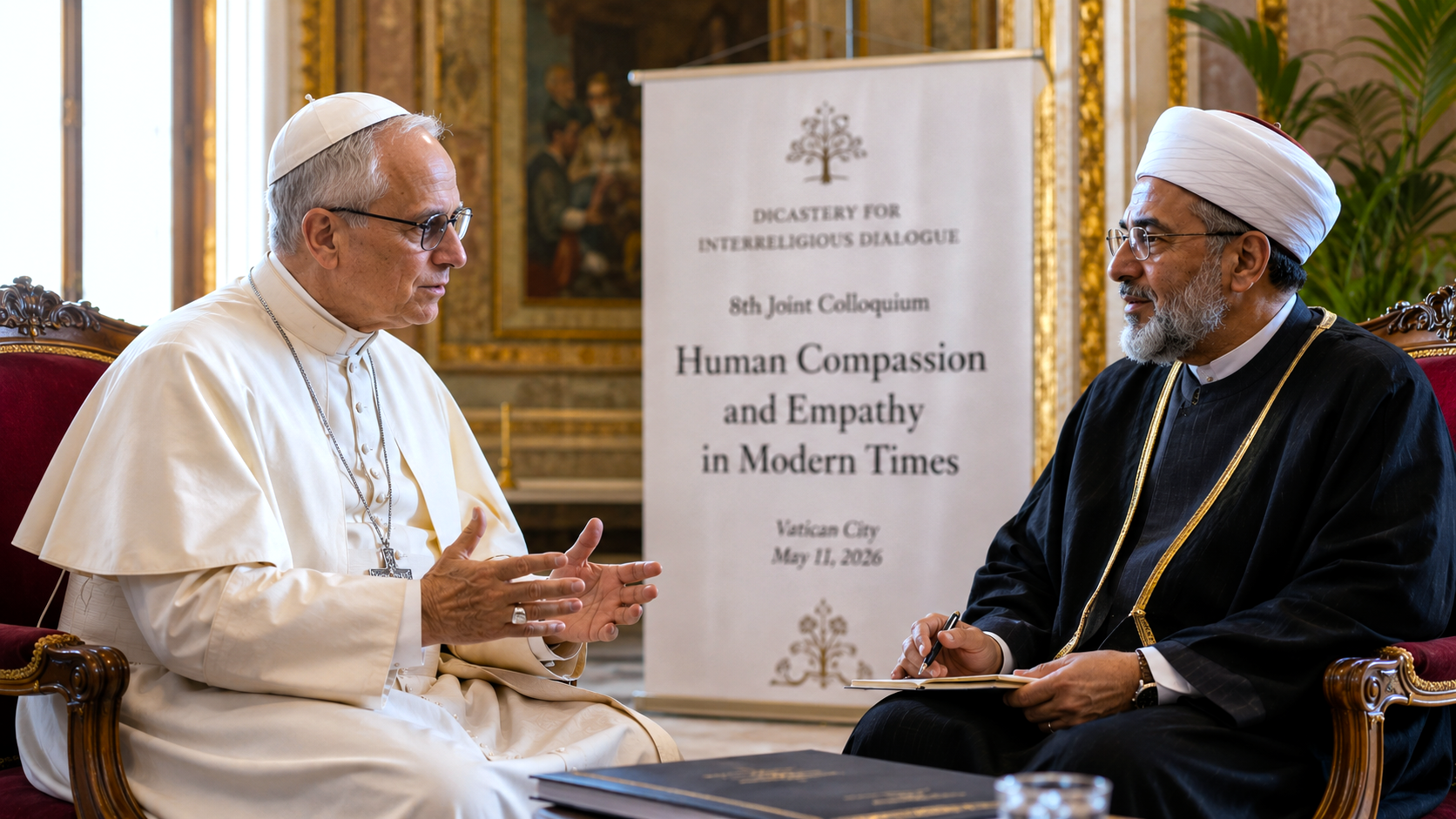
Good Words at the Top, Friction Below
On the morning of Monday, 11 May 2026, Pope Leo XIV received participants in the eighth joint colloquium organised by the Holy See’s Dicastery for Interreligious Dialogue and Jordan’s Royal Institute for Inter-Faith Studies. The theme chosen for this year’s gathering was “Human Compassion and Empathy in Modern Times.” In his address — delivered in the Clementine Hall of the Apostolic Palace, the Pope called Christians and Muslims to a common mission: “to revive humanity where it has grown cold, to give voice to those who suffer and to transform indifference into solidarity.”
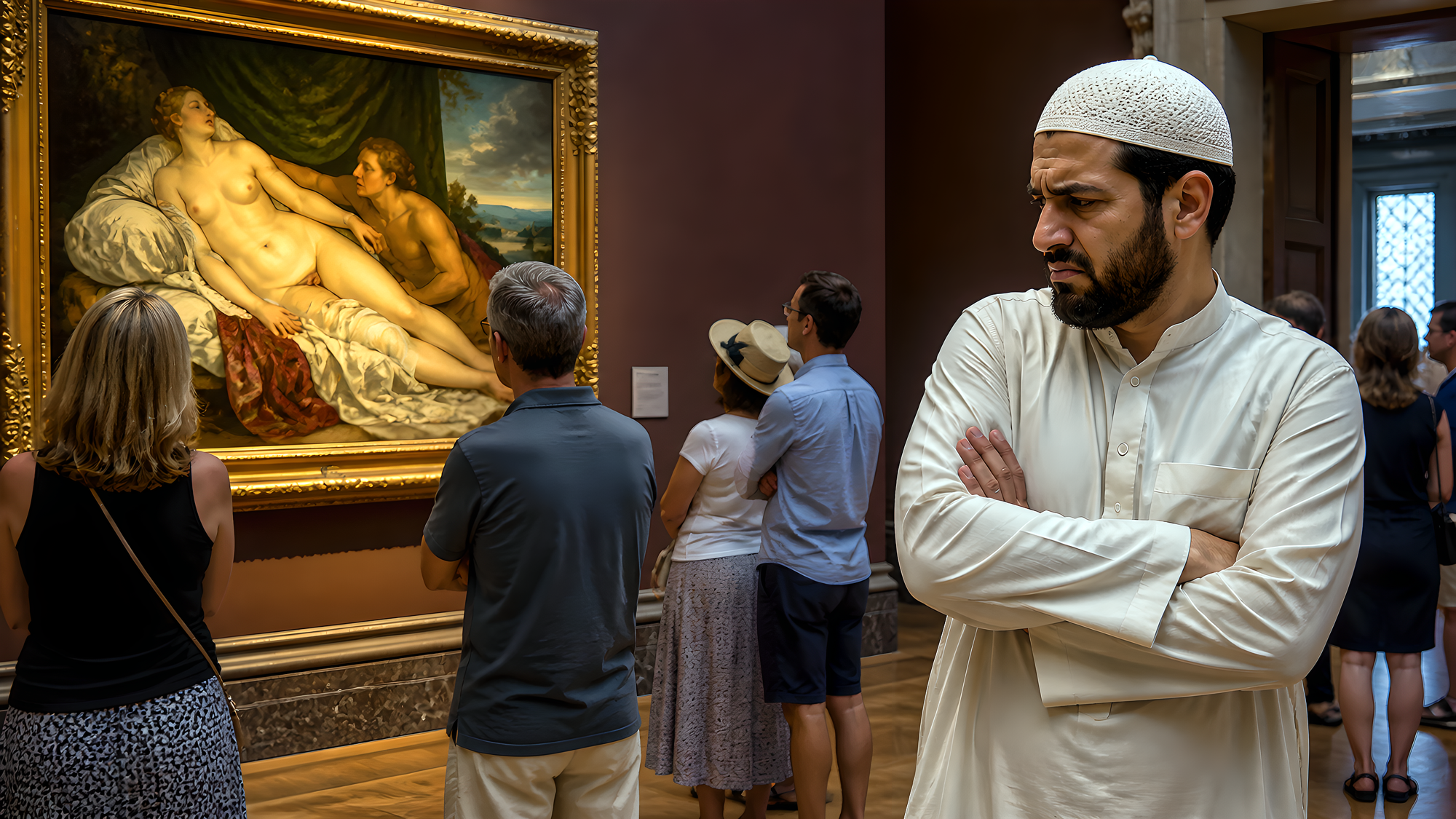
Islam, Haram, and the Fate of the West
There are conversations that polite society prefers to defer, always hoping that the urgency will somehow resolve itself. This is no longer one of those conversations. Churches have been set ablaze. Synagogues have been firebombed. Sacred art has been desecrated. And across European and North American cities, the accumulated heritage of two thousand years of Christian civilisation — its music, its sculpture, its literature, its architecture — is increasingly subject to demands, pressures, and acts of hostility rooted in a theological framework that considers much of that heritage to be, quite literally, forbidden. The name of that framework is haram.
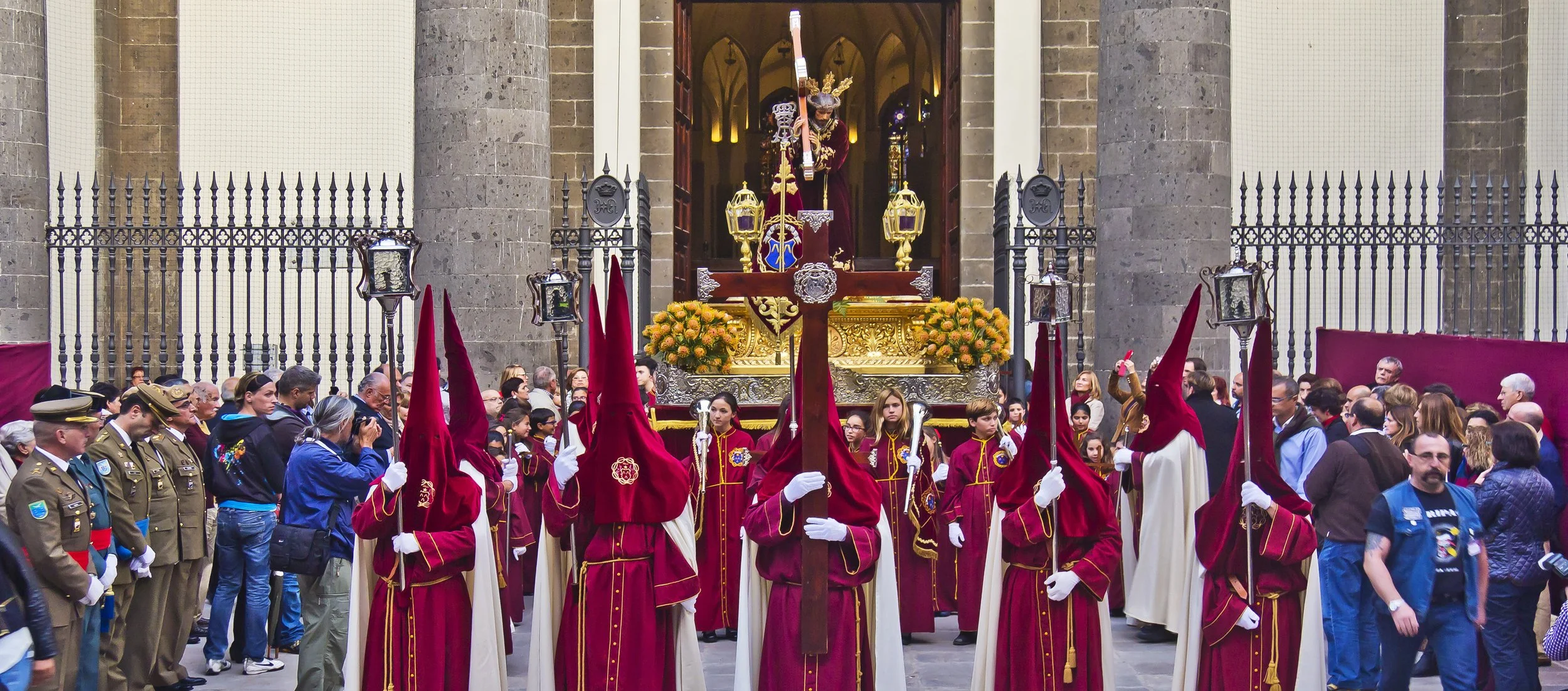
The Square and the Cross
The debate provoked by the Open Iftar in Trafalgar Square has been, on the whole, a depressing spectacle. It has revealed a Christian community — or what remains of it in the British public square — that is more comfortable with reactive indignation than with the hard work of evangelical renewal. It has revealed politicians who invoke Christianity as a cultural marker while showing little evidence of any personal acquaintance with its actual content. It has revealed media commentators who can generate heat around questions of religious identity without shedding much light on what any of the faiths in question actually teach.
What it has not revealed — at least not prominently — is the Christianity we actually need. The Christianity of the Holy Week processions. The Christianity of the open door and the burning lamp. The Christianity of the priest who takes the gospel to the streets, not because he wishes to dominate anyone, but because he has been grasped by something he cannot keep to himself.
