
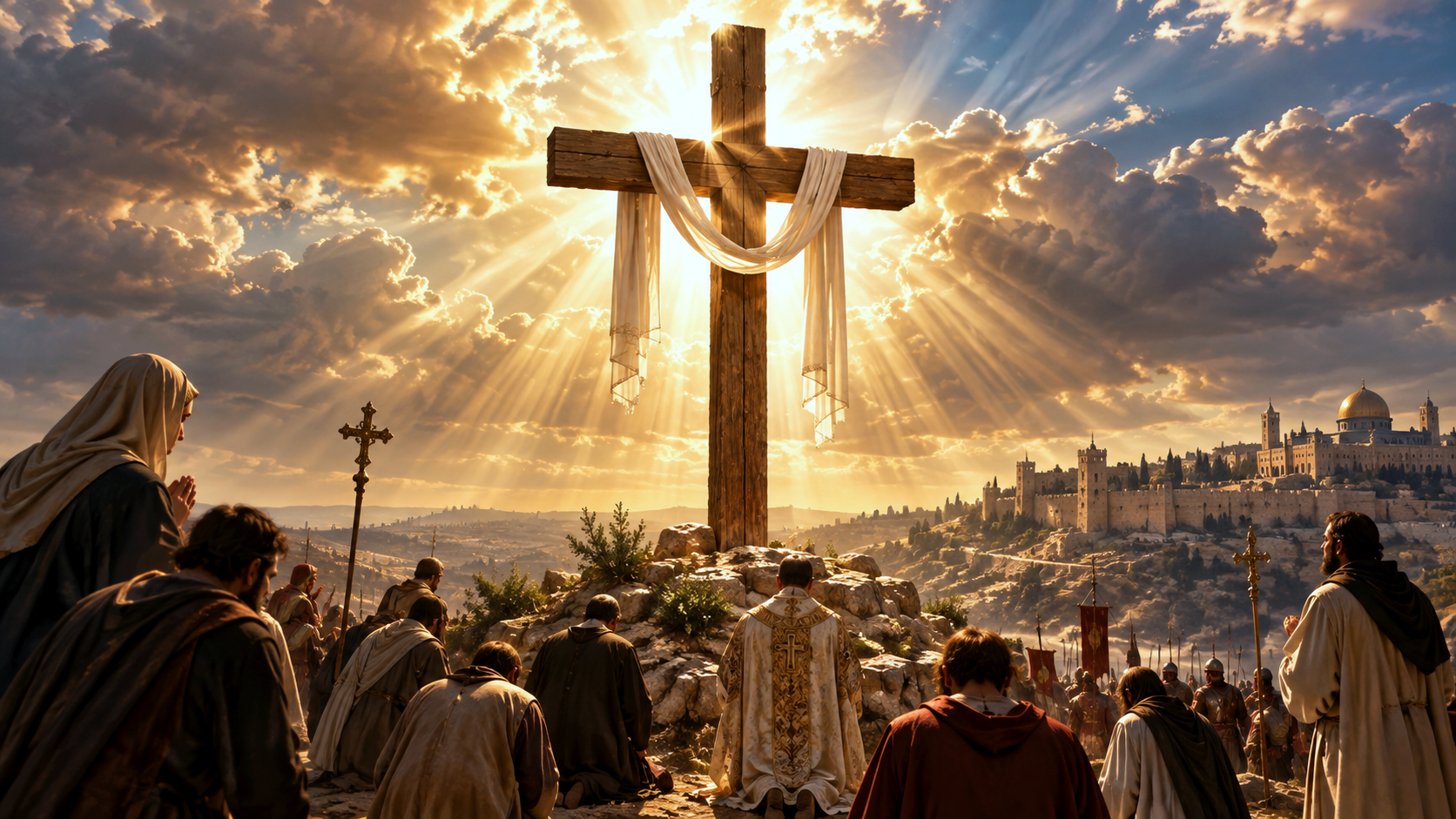
Lifted Up… The Exaltation of the Holy Cross
The Roman Calendar names tomorrow's feast the Exaltatio Sanctae Crucis. The Byzantine books name it Ἡ Παγκόσμιος Ὕψωσις τοῦ Τιμίου καὶ Ζωοποιοῦ Σταυροῦ, the Universal Elevation of the Precious and Life-giving Cross. Both titles are built upon a verb of raising, and both attach that verb to an object which no one in the ancient world would have thought raisable in any sense but the literal and the degrading.
Come and See
To anyone who will not be at Mass this Sunday, and has no particular intention of being there the Sunday after: grace to you, and peace. Now please go back to Church. Thank you.😊
The Fountain and the Fence
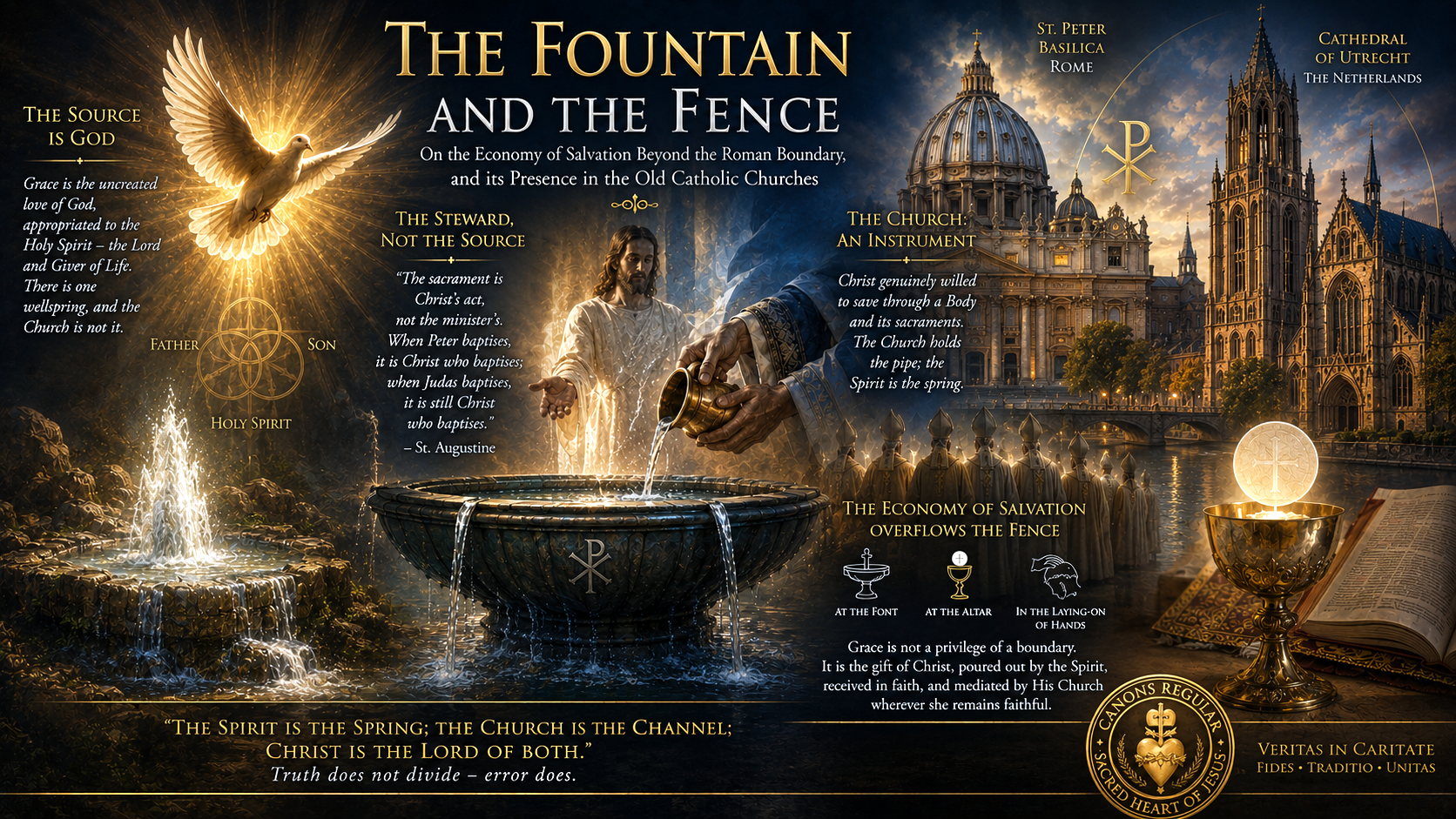
Ask an ordinary believer where grace comes from, and you will most often be handed a choice: from the Church, he will say, or from the Holy Spirit — as though these were two shops on the same street, and one had to be preferred. It has assumed that the Church and the Spirit are rivals for the same office. Confuse the steward with the source and you will build an empire. Distinguish them, and the empire dissolves into what it always was: a household of servants entrusted with a treasure they did not mint.
The Boy Who Cried Schism
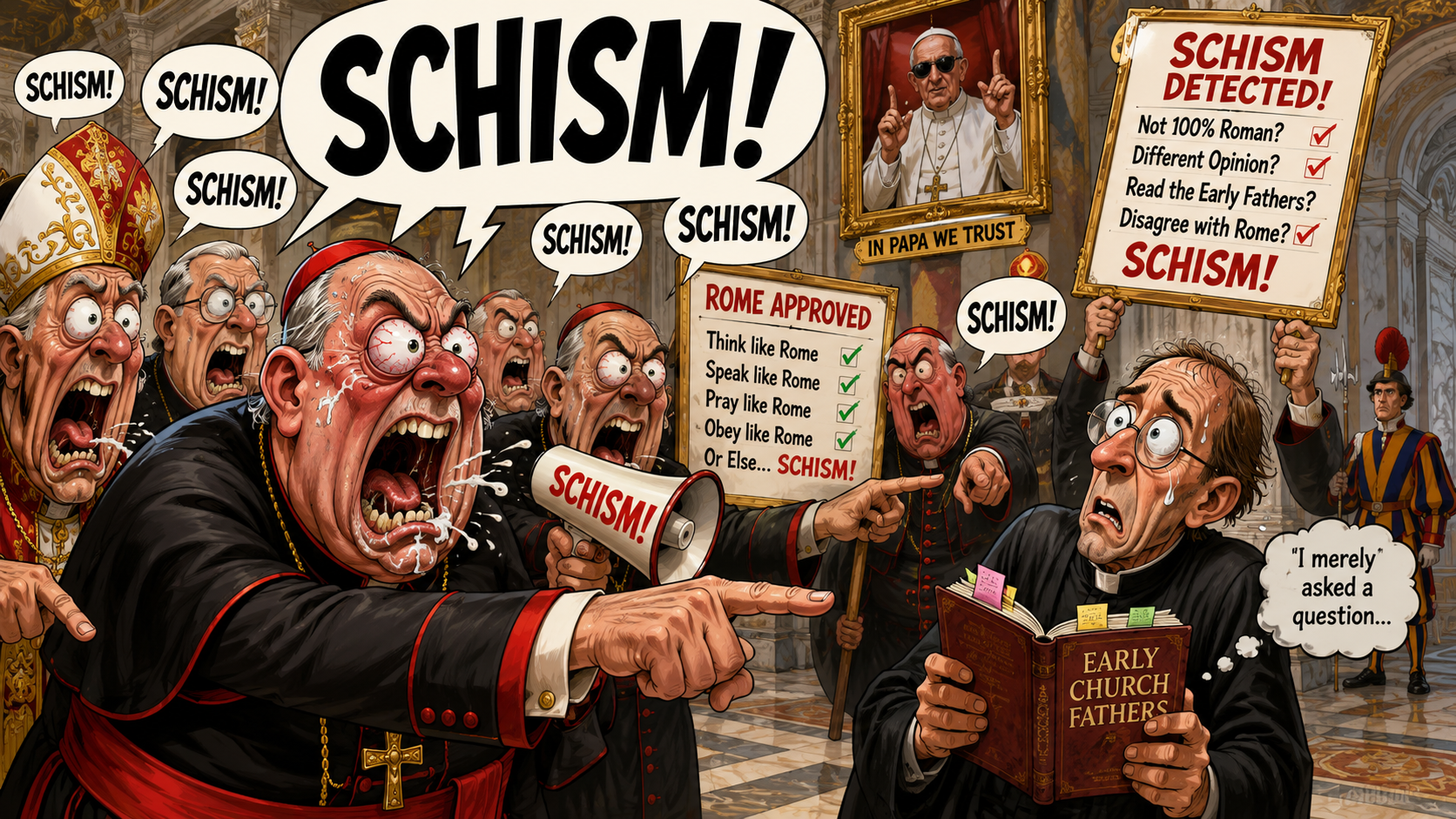
There is a word in the Roman lexicon that has been worked half to death. It is hauled out of bed at all hours, made to stand in every doorway, set upon every passing stranger, and expected—poor exhausted thing—to do the labour of an entire theology with none of the dignity. The word is schism, and one begins, after a while, to feel a certain tenderness for it. It has the haunted look of a servant who has been told that everything is his fault: the burnt toast, the falling empire, the weather. Read further…
CELIBACY: A Certain Physical and Psychic Void
There is a sentence in Sacerdotalis Caelibatus that Paul VI plainly did not intend to be read the way I am about to read it. Defending the law of clerical celibacy against every objection he could muster the courage to name, he concedes that the young man who embraces it is walking a road that leads, “on the one hand … to a certain physical and psychic void.”… Read further…
Called, But Not Yet Certain?
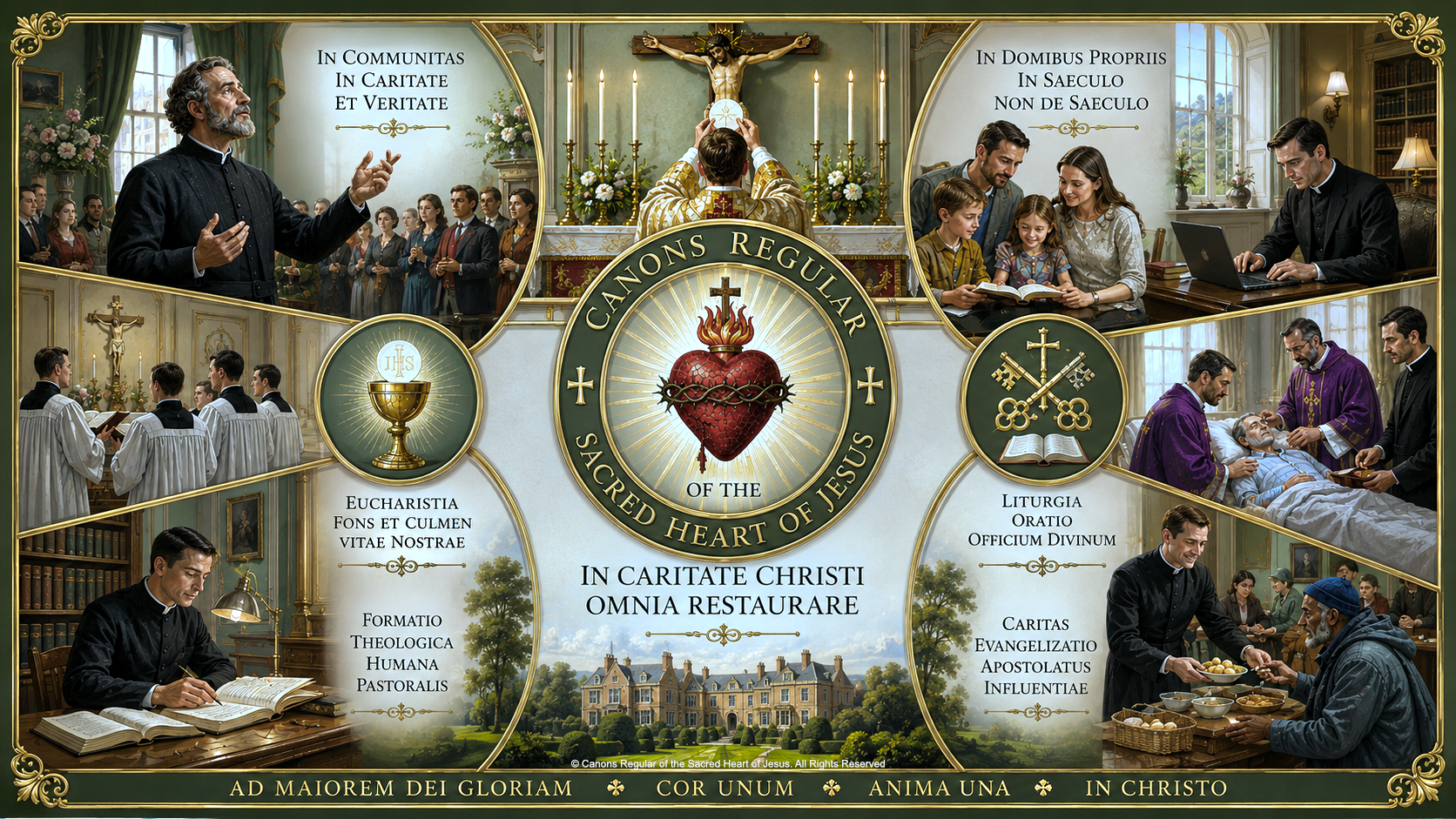
Called, But Not Yet Certain
A guide to vocational discernment for the Canons Regular of the Sacred Heart of Jesus
There is a peculiar feature of a genuine vocation: it does not wait to be convenient. It arrives — quietly, persistently, sometimes inconveniently — not as a thunderclap but as a steady accumulation of quiet certainties. Newman captured something of this when he wrote of God creating each person to do "some definite service" that no other can do in quite the same way.
Before There Was "The Church," There Was History
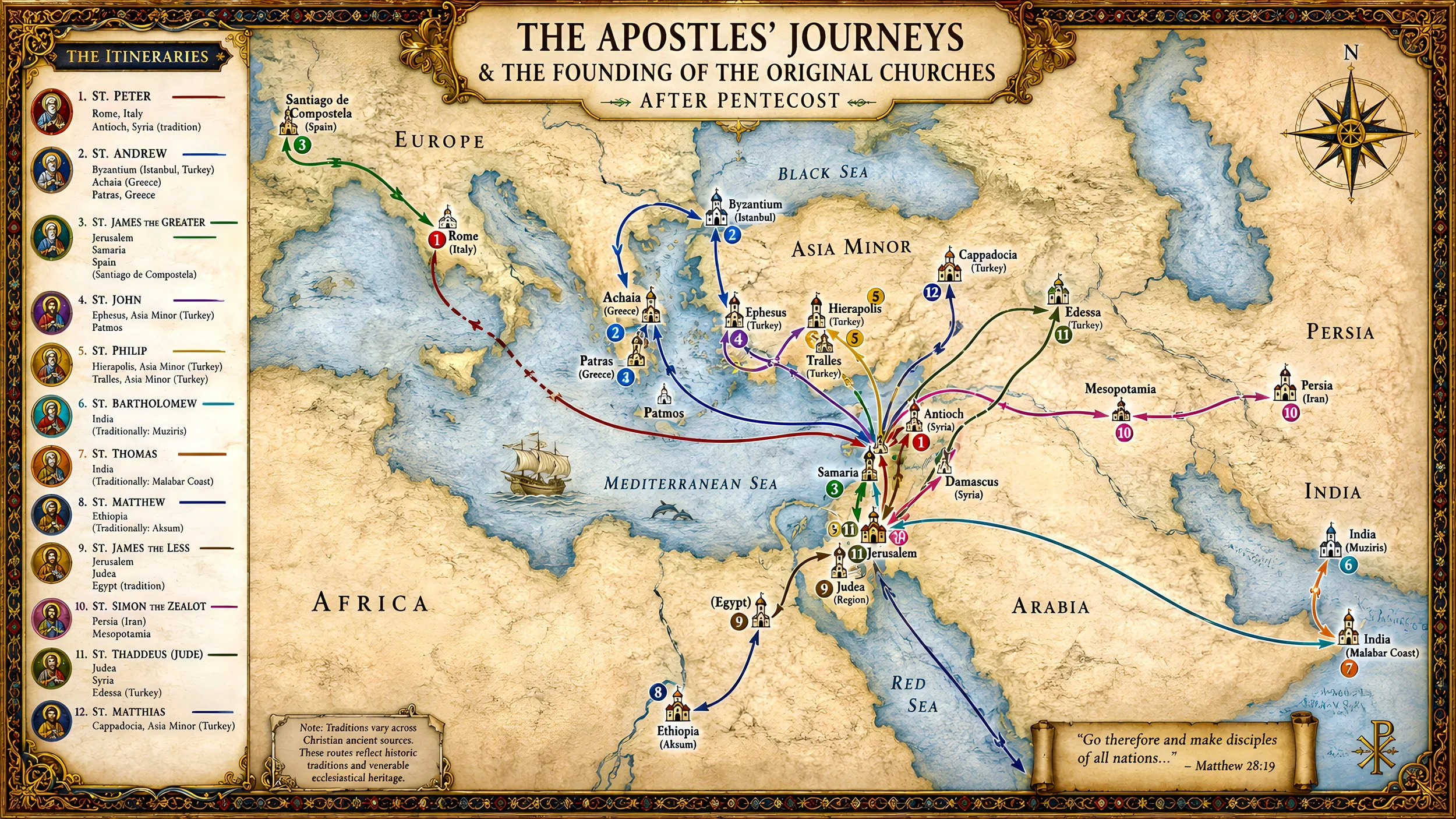
A short text has been making the rounds in religious circles, presenting what it calls a straightforward historical argument: that one single, unbroken Church — founded by Jesus Christ Himself — has existed from the first century to the present day, and that history's finger points unmistakably toward Rome. The argument sounds reasonable, even compelling, on first reading. But on closer inspection, nearly every claim it makes either distorts history, makes unjustified logical leaps, or simply assumes the very conclusion it purports to prove. This article addresses those claims one by one.
The Square and the Cross
The debate provoked by the Open Iftar in Trafalgar Square has been, on the whole, a depressing spectacle. It has revealed a Christian community — or what remains of it in the British public square — that is more comfortable with reactive indignation than with the hard work of evangelical renewal. It has revealed politicians who invoke Christianity as a cultural marker while showing little evidence of any personal acquaintance with its actual content. It has revealed media commentators who can generate heat around questions of religious identity without shedding much light on what any of the faiths in question actually teach.
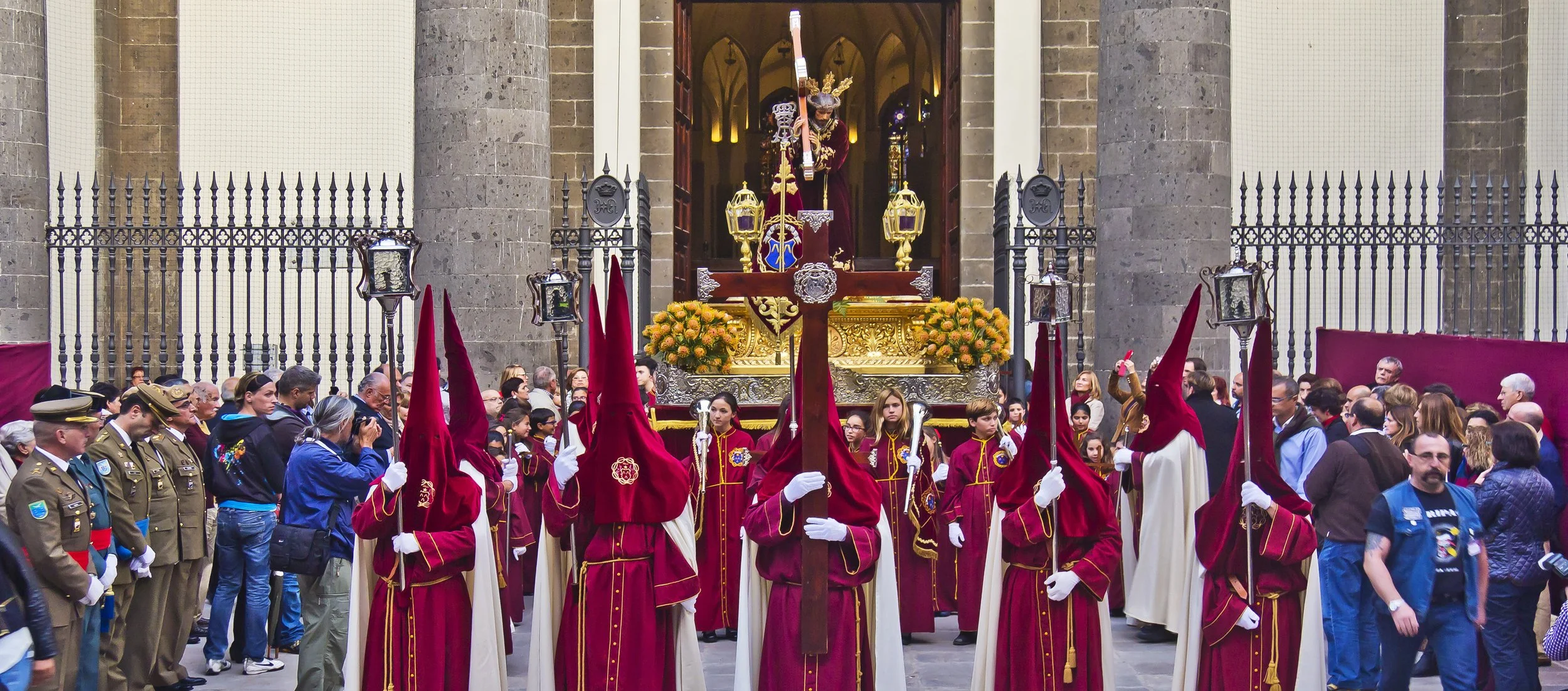
What it has not revealed — at least not prominently — is the Christianity we actually need. The Christianity of the Holy Week processions. The Christianity of the open door and the burning lamp. The Christianity of the priest who takes the gospel to the streets, not because he wishes to dominate anyone, but because he has been grasped by something he cannot keep to himself.
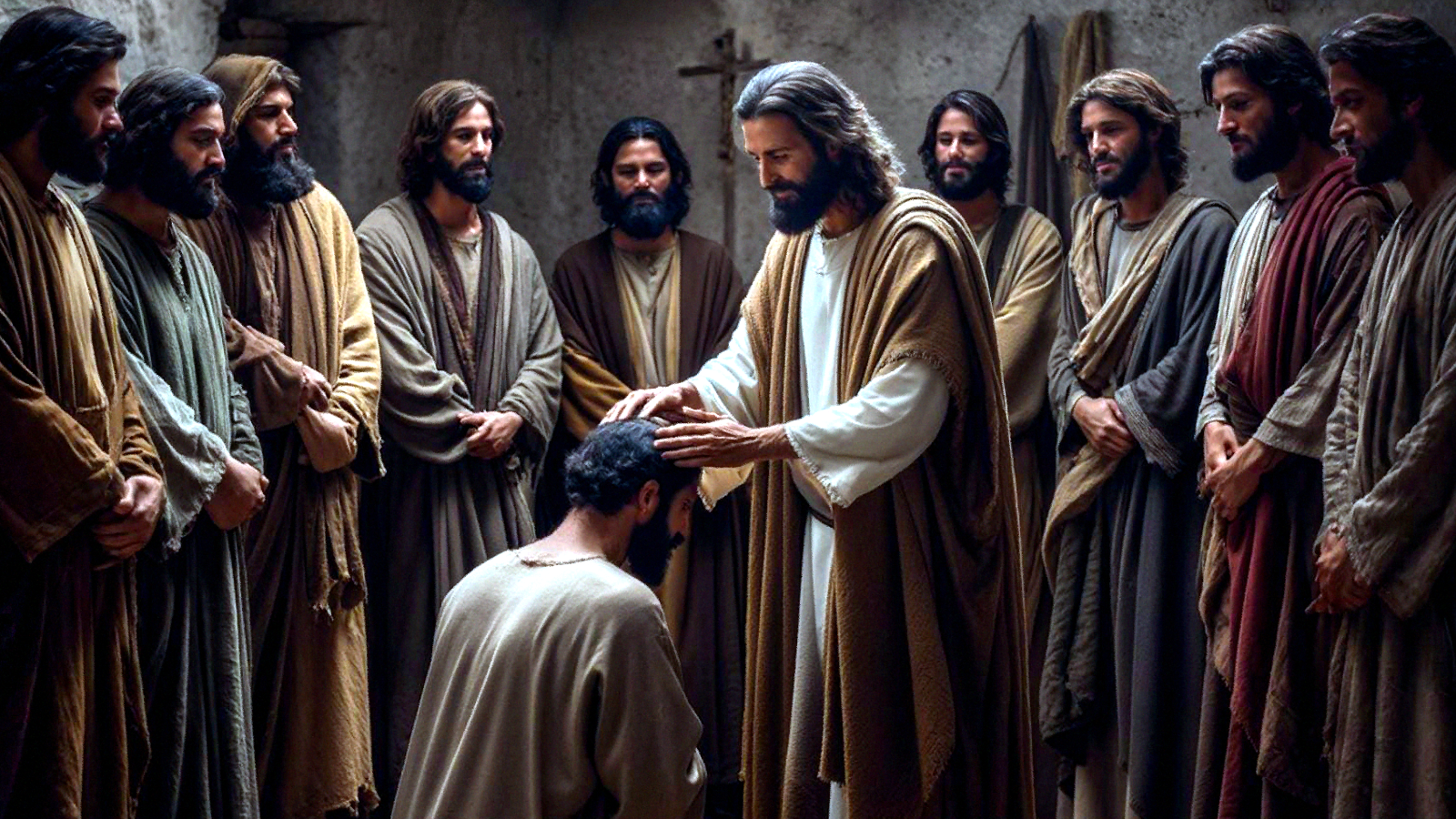
Why the Catholic Priesthood Is Reserved to Men: A Reflection on Precedent, Mandate, and Faithfulness
In recent years, the question of whether women should be ordained as priests has become a topic of lively debate in many corners of the Church and society. Some see the issue through the lens of equality, others through the lens of cultural change, and still others through personal experience of gifted, faithful women who serve the Church in countless ways.
These conversations are often sincere and heartfelt. But for the Catholic Church — and for the Canons Regular of the Sacred Heart of Jesus — the question of priestly ordination is not ultimately about cultural preference, personal ability, or institutional reform. It is about fidelity to what we have received.
