
My God, My God! Why Have You Forsaken Me?
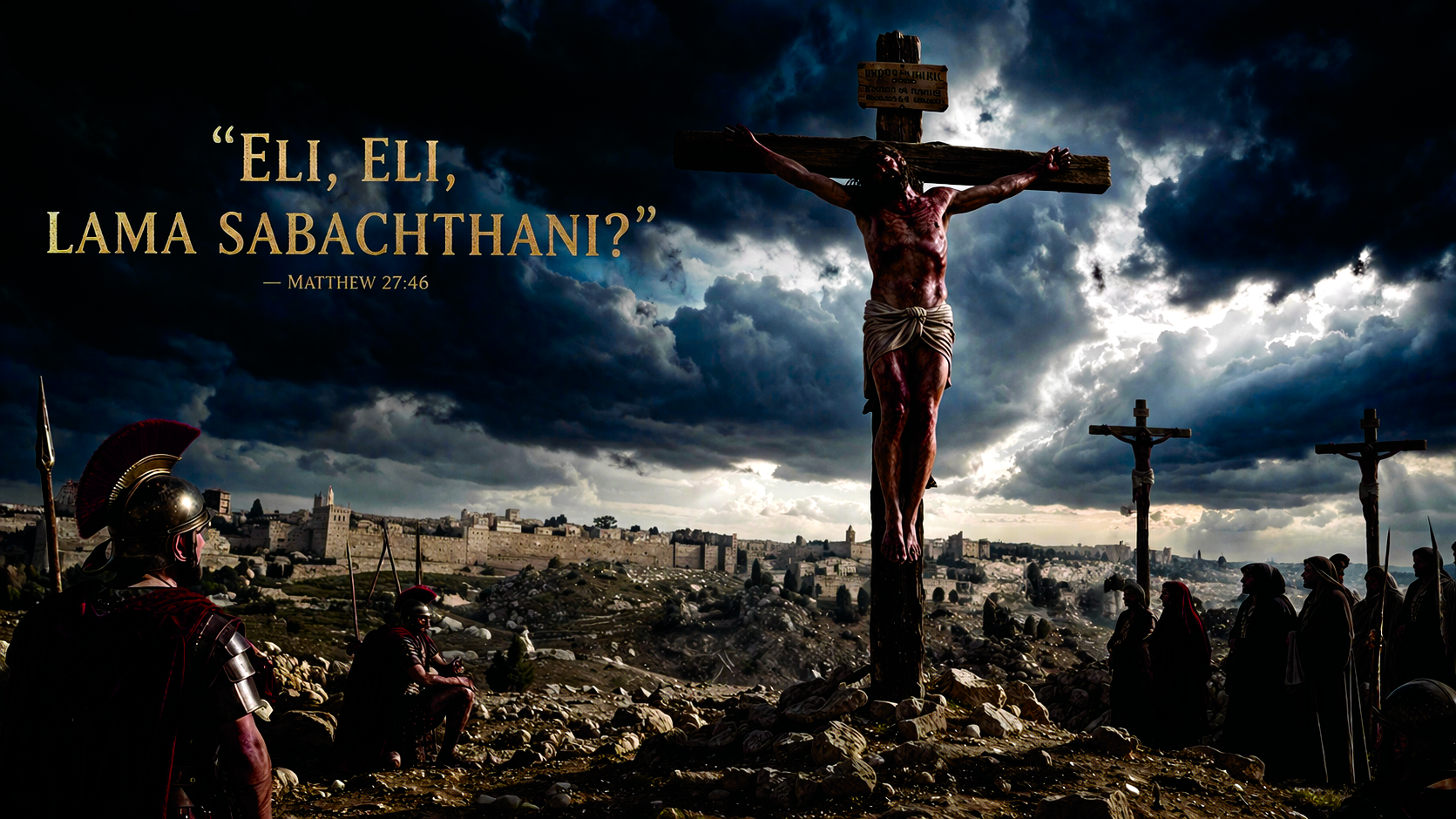
© Canons Regular of the Sacred Heart of Jesus
What Jesus Was Really Saying from the Cross
Of all the words spoken from the Cross, none have caused more confusion — or more pain — than these seven words. To the casual reader, they can sound like the cry of a man who has lost his faith. To the sceptic, they seem to confirm that something went terribly wrong. But to anyone steeped in the Jewish scriptures, they would have carried an entirely different weight.
Jesus was not complaining. He was praying. And the prayer He chose was one of the most profound in all of Scripture.
A Psalm, Not a Lament
"Eli, Eli, lama sabachthani?" — "My God, my God, why have you forsaken me?" — is the opening line of Psalm 22. Attributed to David and composed around 1000 BC, this psalm was not an obscure text. It was well-known, regularly sung, and deeply cherished. Any observant Jew hearing those words would have immediately recognised them.

PROPHETIC ACCURACY
Psalm 22, written by King David about 1000 years before the Crucifixion, predicts key details of Jesus’ Crucifixion with striking accuracy.
In the tradition of the time, to quote the opening line of a psalm was to invoke the entire psalm. It was shorthand — a way of pointing to a whole body of thought in a single breath. Jesus, hanging on the Cross in agony, was directing those with ears to hear toward the full arc of this extraordinary poem.
"He was not quoting a lament.
He was announcing a fulfilment."
What the Psalm Actually Says
Psalm 22 opens in desolation: the psalmist cries out to God and feels no answer. He is surrounded by enemies, mocked, scorned, abandoned — or so it seems. But this is only the beginning.
As the psalm unfolds, the imagery becomes almost unbearably specific for a text written a thousand years before the Crucifixion. The psalmist describes his hands and feet as pierced. He speaks of being stared at and ridiculed by onlookers. He watches as men divide his garments among themselves and cast lots for his clothing. These are not vague poetic images — they are the precise details of what was happening at Golgotha as Jesus spoke.
And then the psalm turns. Dramatically, unexpectedly, the tone shifts from anguish to praise. God has not abandoned the suffering one after all. Deliverance comes. The psalm ends not in defeat but in triumph — with the proclamation of God's sovereignty to all nations, to generations yet unborn.
The Announcement Hidden in Plain Sight
This is the key to understanding what Jesus was doing. By citing the opening of Psalm 22, He was not expressing despair — He was announcing that everything the psalm described was being fulfilled in that moment. The suffering, yes. But also the vindication that follows. The resurrection, already embedded in the structure of the prayer He was praying.
The crowd at Golgotha included people who knew their psalms. Some of them would have heard those opening words and begun, silently, to recite what came next. They would have known where the psalm went. They would have understood that Jesus, even on the Cross, was not a man whose story was ending — but one whose story was reaching its appointed climax.
"The suffering and the vindication were inseparable,
the two movements of a single, ancient song."
A Word for Today
We live in a world that is quick to interpret suffering as abandonment — by God, by others, by meaning itself. The cry from the Cross can speak powerfully into that experience, not as a confirmation of despair, but as its transformation.
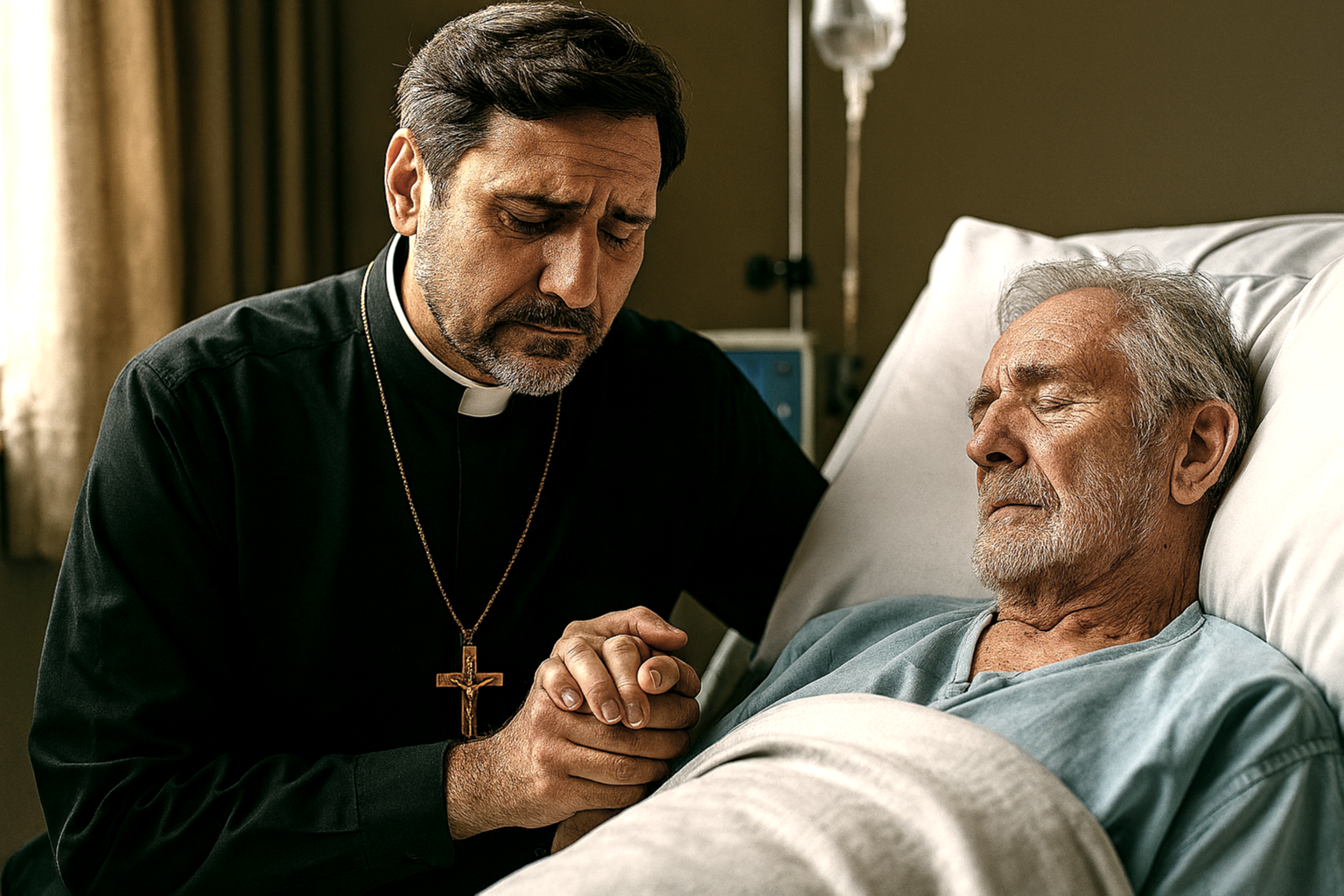
FAITH AND SUFFERING
Jesus showed that suffering and faith are not opposites. The lament and the trust can coexist in the same breath.
Jesus did not avoid the darkness. He entered it fully, and He prayed His way through it — with the very words that Scripture had prepared for that moment. In doing so, He showed that suffering and faith are not opposites. The lament and the trust can coexist in the same breath.
Psalm 22 ends with these words: "He has not despised or scorned the suffering of the afflicted one; he has not hidden his face from him but has listened to his cry for help."
That is the whole story. Not abandonment. Attention. Not silence. Answer.